Introduction
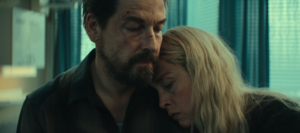
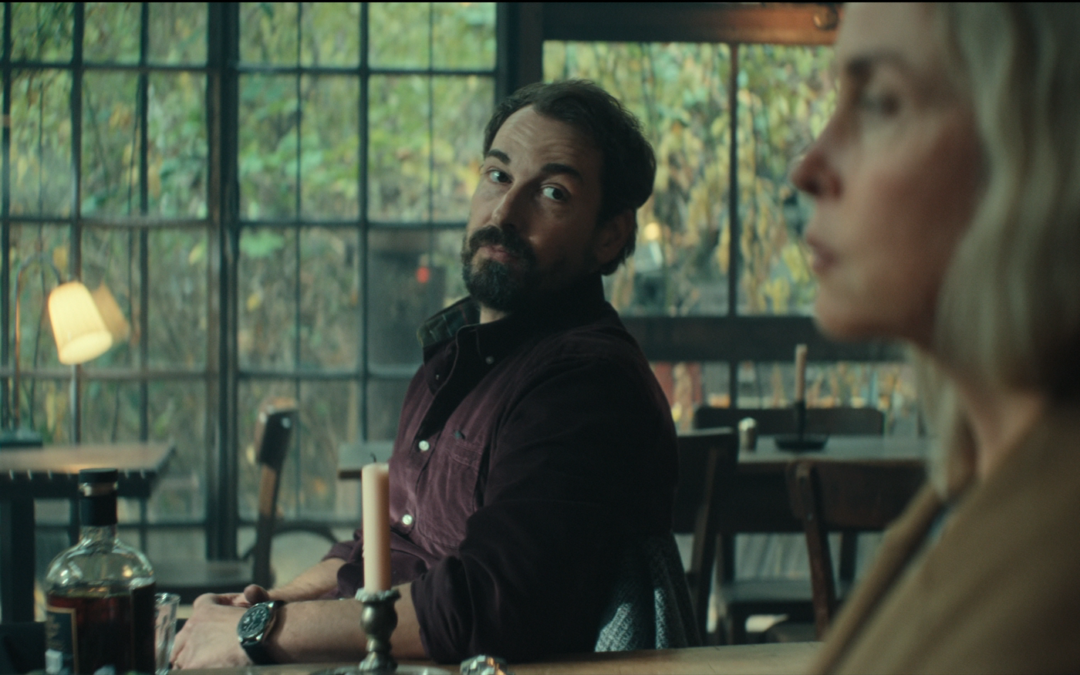
I just finished bingeing Unfamiliar on Netflix, and wow, this German spy thriller grabbed me from the jump. Picture this: ex-agents Meret and Simon Schäfer, living that low-key Berlin life with their teenage daughter, until a bloody knock at the door rips open a 16-year-old secret op. What starts as a quick favor for a dying colleague spirals into hitmen, moles, and betrayals that hit way too close to home.
I’ve always loved how European thrillers like this ditch Hollywood gloss for raw, lived-in tension. Here, the real stakes aren’t car chases; they’re the cracks in a marriage tested by lies we thought were buried.
Susanne Wolff kills it as Meret, fierce and fraying, while Felix Kramer gives Simon that haunted edge. Berlin’s gritty streets become a character, shadowing every desperate move.
We feel their panic as covers crumble and family hangs in the balance. It’s messy, marital drama wrapped in espionage, and it lands because it skips tidy heroes for flawed survivors. Six tight episodes build to a siege that left me rattled.
Stick around for my episode-by-episode breakdowns, unpacking the twists, turns, and those gut-punch reveals we won’t forget. Unfamiliar isn’t just a watch; it’s a slow-burn jolt to the system.

Unfamiliar opens with an image that immediately unsettles. A mysterious man on a public bench calmly cuts a device from beneath his skin, then shoots himself in the leg. It is shocking, precise, and strangely clinical, setting the tone before a single word is spoken.
From that jarring prologue, the episode shifts sharply into normalcy. Nina celebrates her sixteenth birthday with her parents, Simon and Meret Schäfer. The warmth of the scene feels genuine, which makes Simon’s sudden call from an unknown number land with quiet dread.
The injured man from the bench contacts Simon directly, claiming he has been stabbed and shot. He offers payment in exchange for help. Simon and Meret respond without hesitation, revealing instincts that feel anything but ordinary.
They transport the man to a safe house and treat his wound, though suspicion lingers. His vague explanation about a security company and stolen property raises more questions than answers. Simon returns to Nina, while Meret stays behind.
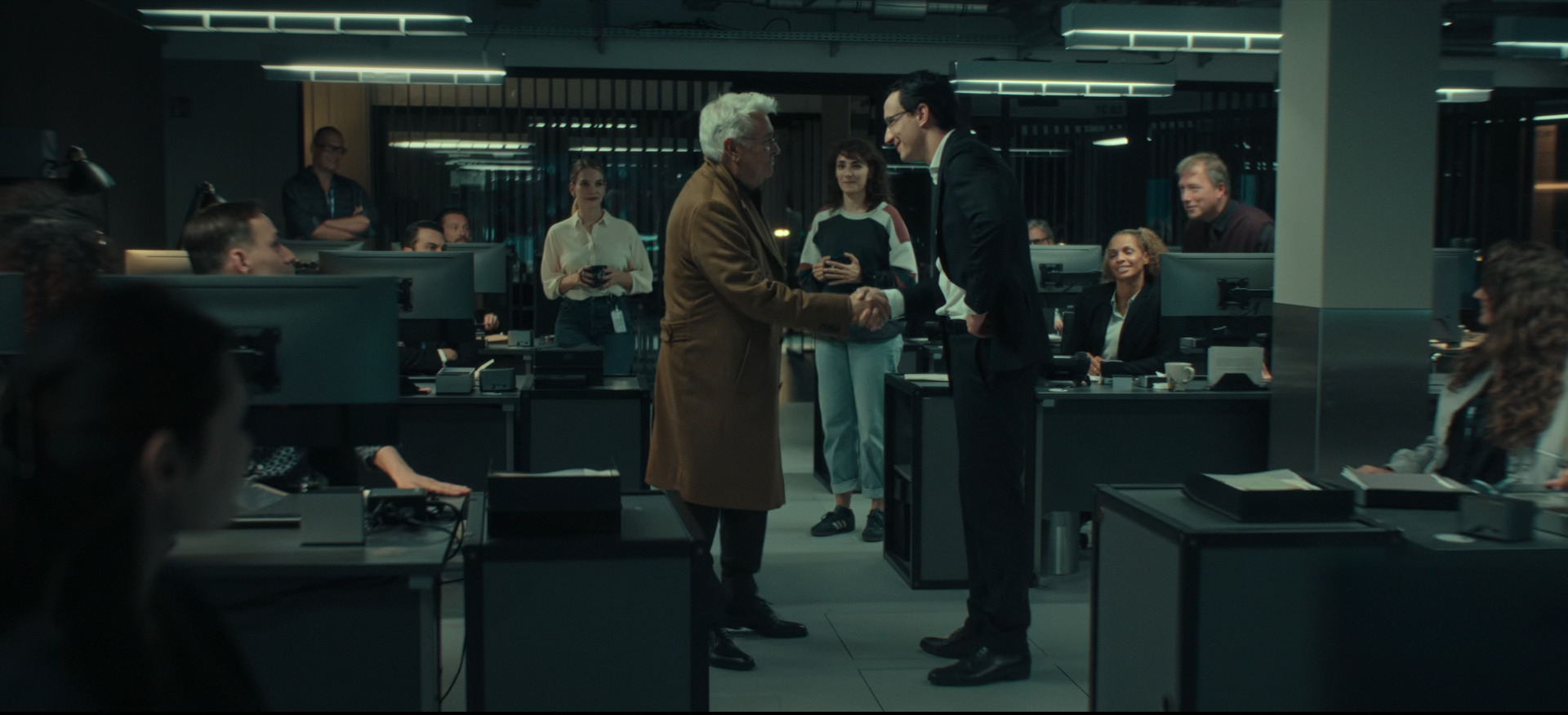
The narrative widens as we enter the BND headquarters in Berlin. Ben introduces an investigation into Josef Kaleev, a powerful Russian official whose wife, Vera, is set to become an ambassador. Josef’s premature arrival triggers concern, especially given his shadowy reputation.
Gregor Klein, the former BND head, appears but claims ignorance about Josef. Meanwhile, the injured man secretly lifts Meret’s fingerprints, an act Meret later discovers through surveillance. His assumption that Simon and Meret were siblings unlocks a buried memory.
A flashback transports us sixteen years into the past. Simon and Meret, posing as siblings in Belarus, uncover a compromised safe house, a wounded Gregor, and Katya, poisoned yet pregnant. The sequence reveals the emotional and operational roots of the present crisis.
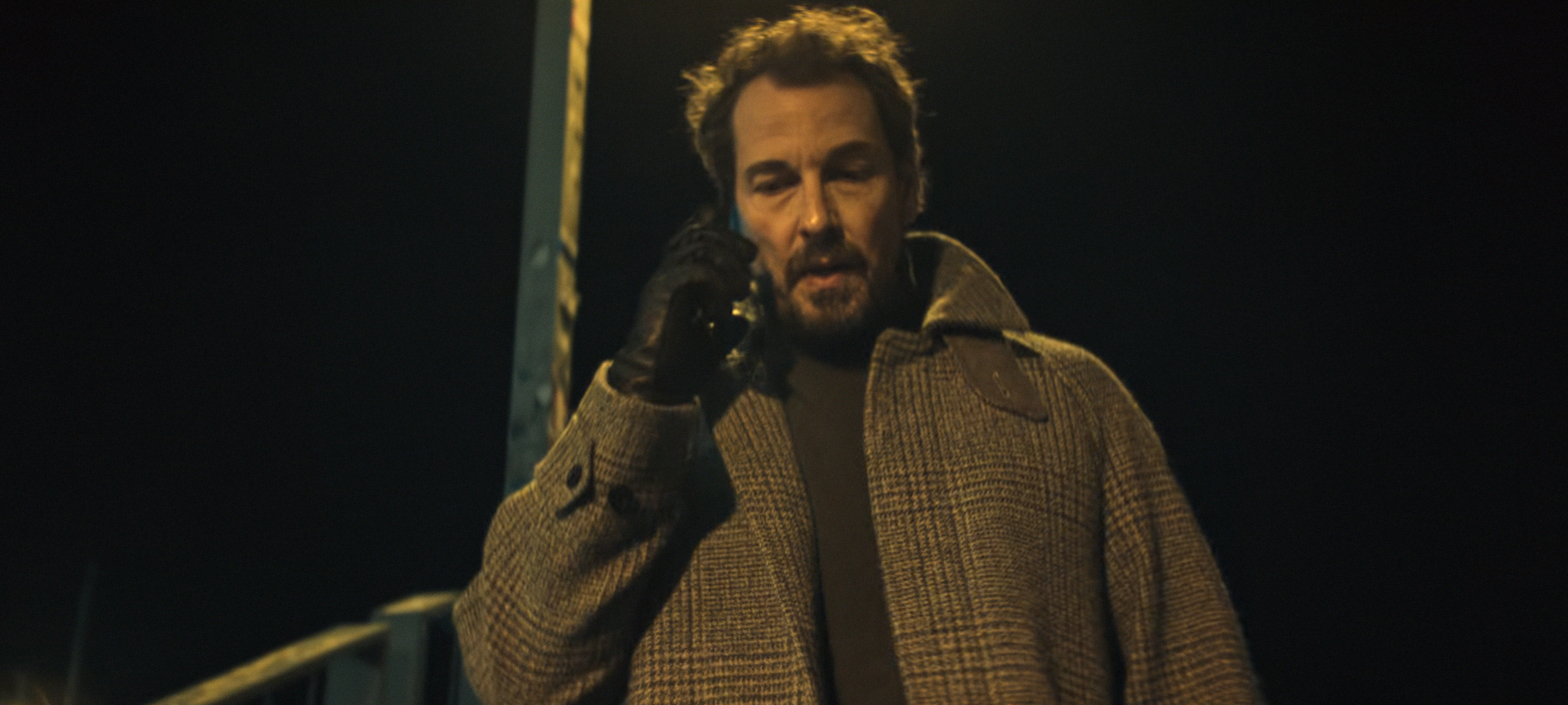
Back in the present, tension accelerates. The injured man contacts Jonas, exposing himself as an embedded operative. Meret counters decisively, flooding the room with gas and neutralizing him.
Jonas scans Meret’s fingerprint and uncovers a startling truth. Meret and Simon are officially listed as killed in action. Josef recognizes them instantly and orders their execution, along with Gregor’s.
Assassination attempts follow swiftly. Gregor narrowly evades a hit. Simon collapses mysteriously. Meret fights off the captive agent. The episode closes with another revelation. Katya is alive in Berlin. Simon knew.
Episode 1 succeeds because it balances shock with control. That opening sequence is brutal, yet the episode never leans on spectacle alone. Every twist feels connected to character and history.
What stood out to me is the duality of domesticity and espionage. Simon and Meret feel entirely believable as protective parents, yet their reflexes and decisions betray years of covert conditioning. The tension between those identities drives the drama.

The writing feels tight and deliberate. Scenes transition smoothly between family, investigation, and flashback without losing momentum. Each revelation expands the mystery rather than resolving it.
Pacing is particularly impressive. The episode moves quickly but never feels rushed. Suspense builds through implication, not constant action. Visually, the tone remains dark, grounded, and slightly oppressive. The aesthetic complements the narrative’s paranoia and secrecy.
Most importantly, the episode establishes emotional stakes alongside intrigue. This is not just a spy thriller. It is a story about trust, deception, and the cost of buried truths. As premieres go, this one lands with confidence. It hooks through tension, not noise, and leaves us with a mystery that feels layered, personal, and dangerously unresolved.