
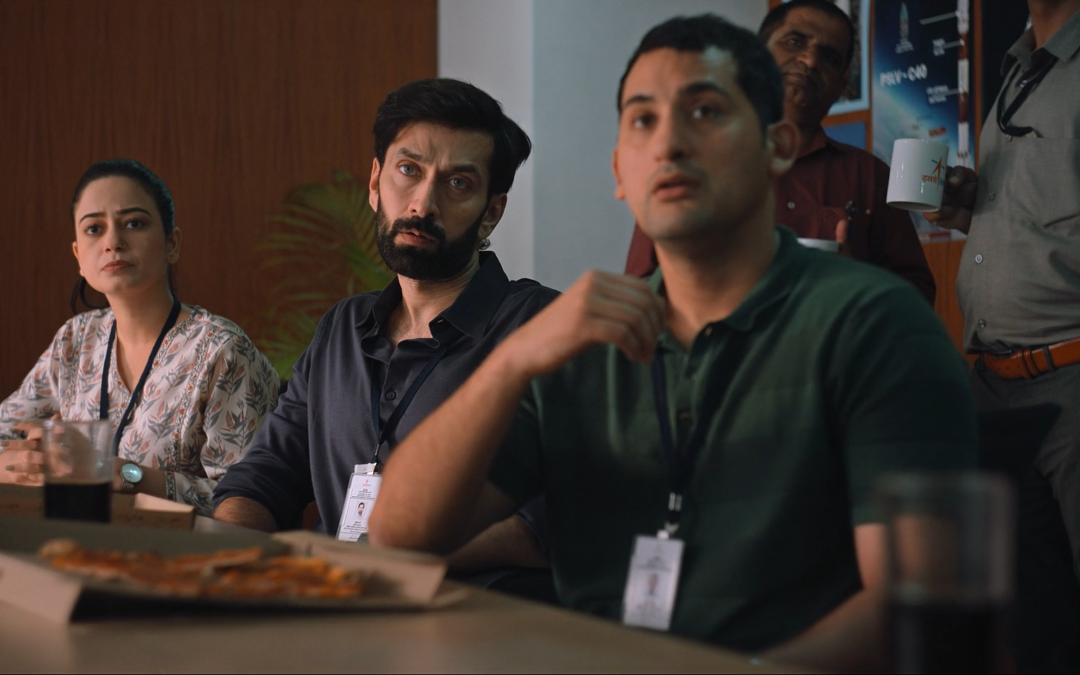
The fifth episode centers on launch day and the immediate aftermath. Preparation gives way to execution, and years of planning are compressed into a narrow window where nothing can be changed. We are placed inside mission control as final checks run their course, and the countdown begins.
The series captures the stillness before liftoff with restraint. There is no rush to dramatize the moment. Instead, we sit with focused faces, clipped communication, and the weight of knowing that every calculation has already been made.
Once the launch sequence begins, the episode shifts into quiet observation. The spacecraft leaves Earth, and the mission enters a phase where human intervention is limited. What follows is waiting. Telemetry updates arrive. Signals are tracked. Each confirmation brings brief relief, followed by fresh tension.

The episode spends time on those in the room as much as the rocket itself. Reactions are muted. Nobody celebrates early. The understanding is clear. Launch is not a success. It is only permission to continue.
The episode closes with the mission underway, suspended between hope and uncertainty, and the realization that the most difficult part might still lie ahead.
The final episode thrives on restraint. Instead of chasing spectacle, it leans into atmosphere. The absence of constant commentary allows us to feel the pressure rather than being told about it.
What struck me most is how the episode treats launch not as a climax, but as a transfer of control. The work shifts from active decision-making to trust in systems and preparation. That handoff carries emotional weight, and the episode handles it with maturity.
The sound design plays a crucial role here. Long stretches of quiet, punctuated by technical updates, mirror the mental state of the room. We wait because they wait. That shared tension pulls us deeper into the experience.
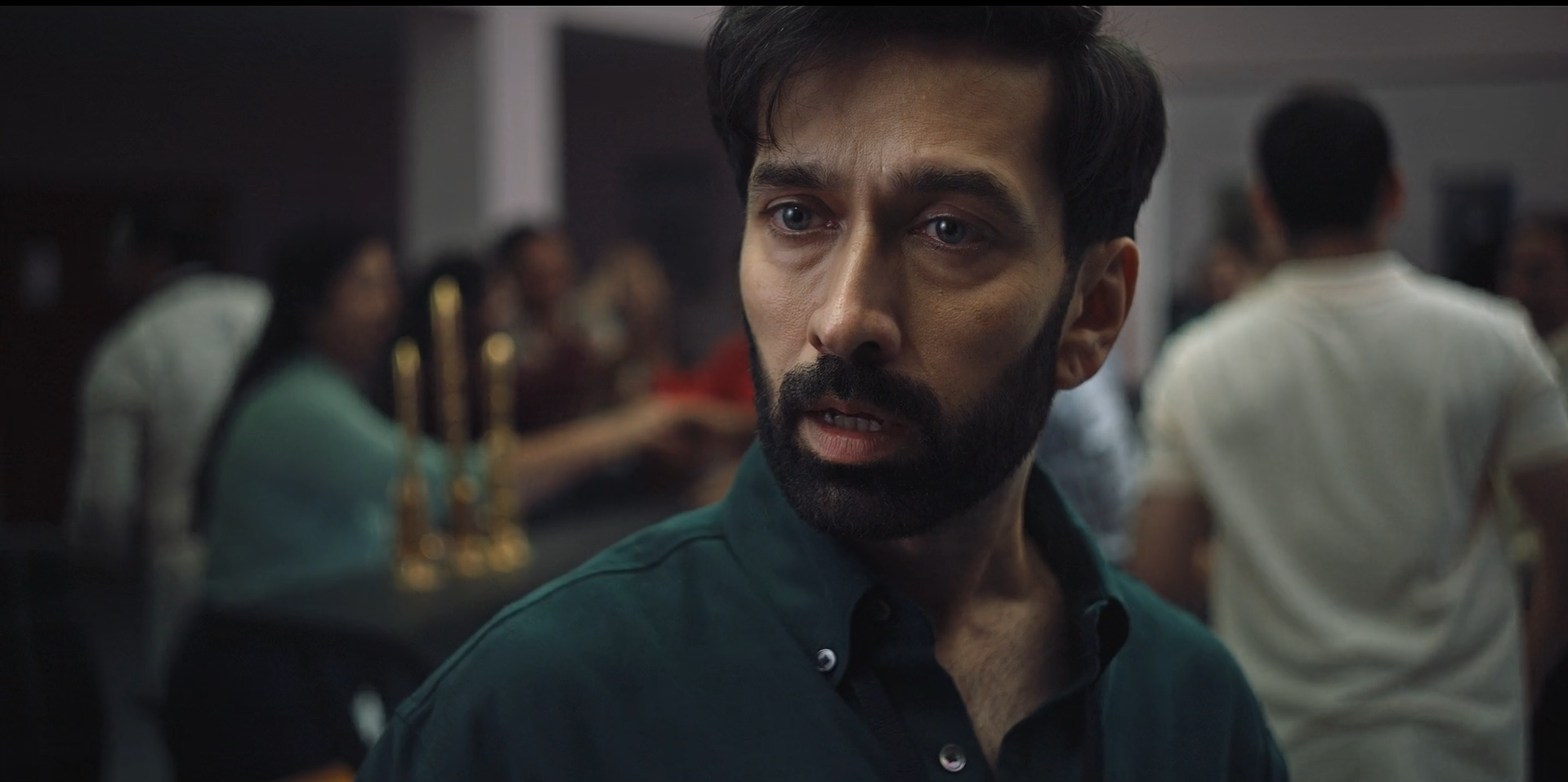
The series also continues its commitment to humanizing expertise. There are no exaggerated reactions or manufactured drama. The emotion comes from discipline and restraint. Relief is visible, but guarded. Confidence exists, but it never turns into arrogance.
Pacing is deliberate, and some moments are longer than expected. For me, that works. Space exploration is not built on constant action. It is built on patience, and this episode understands that.
If there is one limitation, it is that the episode withholds catharsis. But that feels intentional. The mission is far from complete, and celebrating now would feel dishonest.
This episode marks a tonal shift for the series. The dream is no longer theoretical. It is moving through space, beyond direct control. By ending on that suspended note, the episode reinforces a central idea of the show. Reaching for the moon is not about dramatic highs. It is about enduring the wait that follows courage.