
Jennifer Lawrence Finds Freedom and Fear in Die, My Love — “It Was Liberating Being Pregnant on Set”
From trusting Robert Pattinson and Lynne Ramsay to embracing postpartum vulnerability, Lawrence opens up about making her most daring film yet.

When Oscar-winner Jennifer Lawrence signed on to star in Die, My Love, she knew it wouldn’t be a typical Hollywood project. Directed by acclaimed filmmaker Lynne Ramsay, the movie dives deep into the emotional complexities of motherhood, mental illness, and identity.
Lawrence has described the usual publicity process of promoting a film as “very violating,” but ironically, making this raw and deeply personal film while pregnant turned out to be liberating.
Working alongside Robert Pattinson, who plays her on-screen partner, Lawrence says the experience was rooted in safety and mutual respect. She shared that Pattinson was “not pervy and very in love with [partner] Suki Waterhouse,” and that their on-set conversations often revolved around family, children, and relationships. This grounding in real life gave their chemistry a natural, authentic feel.
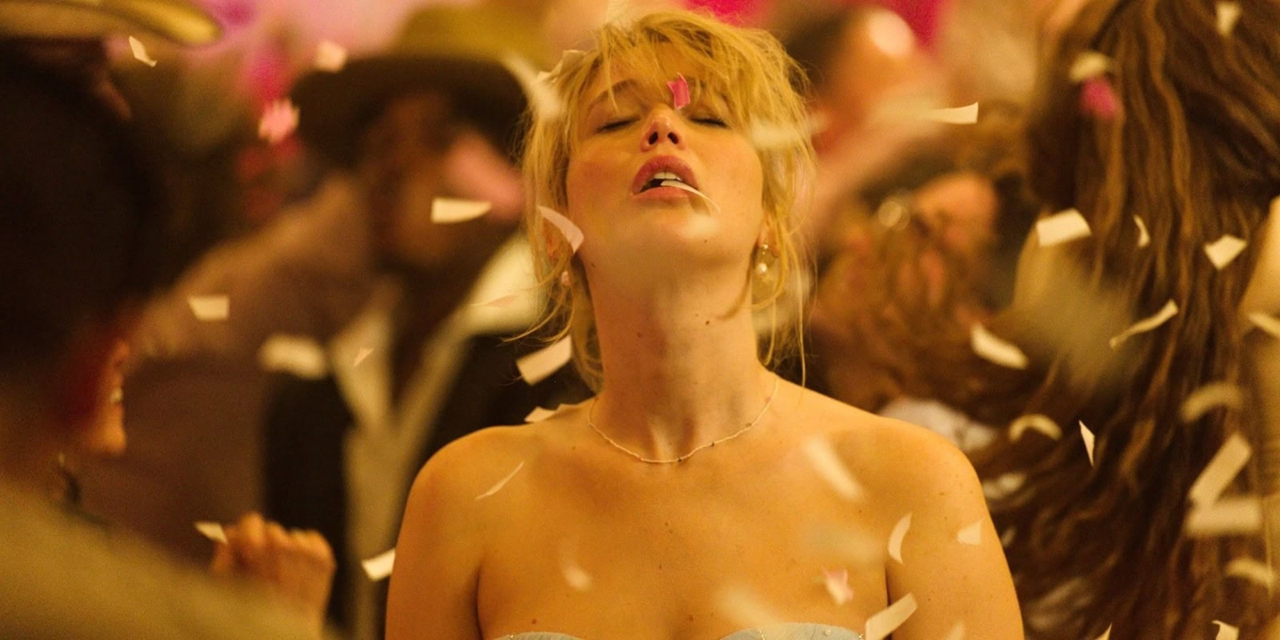
Her collaboration with director Lynne Ramsay was equally refreshing. Lawrence noted that Ramsay stood apart from many male directors she has worked with, who often felt the need to “constantly feel like they’re directing.” Instead, Ramsay fostered an environment of trust and creative freedom. “She built the world, made sure we were all on the same page through music and conversations, and then she would just slowly walk back,” Lawrence explained. “From that space of freedom, something interesting always came.”
Die, My Love is adapted from Argentine author Ariana Harwicz’s novel of the same name. It follows Grace (played by Lawrence) and Jackson (played by Pattinson) as they move to a remote home in Montana, where the isolation and emotional pressures of motherhood begin to take their toll.
The project came at a particularly personal time for Lawrence. She read the book shortly after becoming a mother and began filming while pregnant with her second child. Reflecting on the experience, she said, “With my first child, I had a really pleasant postpartum. But that awareness that your entire life is different now—it’s isolating. You feel like an alien.”
Lawrence’s willingness to embrace vulnerability extended to every aspect of her performance. She insisted on keeping her scenes authentic, even refusing to digitally remove natural imperfections like cellulite. Ramsay, known for her sensory filmmaking style, encouraged improvisation, allowing the actors to explore their emotions freely within the world she built.

Both Lawrence and Pattinson, now parents themselves, bonded over their shared experiences of raising children, bringing an extra layer of empathy to their characters. The result is a film that feels intimate, unsettling, and profoundly human.
For Lawrence, Die, My Love marks a powerful chapter in her career—one where her personal and professional worlds collide in the most honest way possible. For Ramsay, it’s another step in her exploration of the human psyche, told this time through the lens of motherhood and mental health.
By choosing to make such a raw and emotional film while pregnant, Jennifer Lawrence transforms vulnerability into strength. Guided by Lynne Ramsay’s intuitive direction and supported by Robert Pattinson’s quiet sincerity, Die, My Love becomes a haunting yet liberating reflection on womanhood, identity, and resilience.
Stay connected with us for the latest and exclusive updates on global entertainment—only here on Indori Nerd!