
Florence Pugh Opens Up About the Evolving Role of Intimacy Coordinators in Hollywood
From awkward early experiences to empowering collaborations, the Oscar-nominated star shares her candid perspective on how intimacy coordination is still finding its place on set.

Intimacy coordinators have become an essential part of Hollywood’s filmmaking process since the #MeToo movement in 2017, introduced to ensure safer, more respectful handling of intimate scenes. Now, Florence Pugh — known for her roles in Little Women, Oppenheimer, and We Live in Time — has weighed in on the subject, offering a balanced take on both the benefits and the shortcomings of this relatively new profession.
Appearing on The Louis Theroux Podcast, Pugh shared that her experiences with intimacy coordinators have ranged from deeply positive to frustratingly awkward. “It’s not to get in the way or make things more complicated,” she explained. “It’s simply to make sure that everybody is happy with what they’re creating and that the work has meaning to them.”
Reflecting on her early career, the Thunderbolts star admitted that she shot many intimate scenes before intimacy coordinators were common. “I’ve always been confident and happy in my skin,” she said. “That being said, there were plenty of moments where it was completely inappropriate to have been directed in that way.”
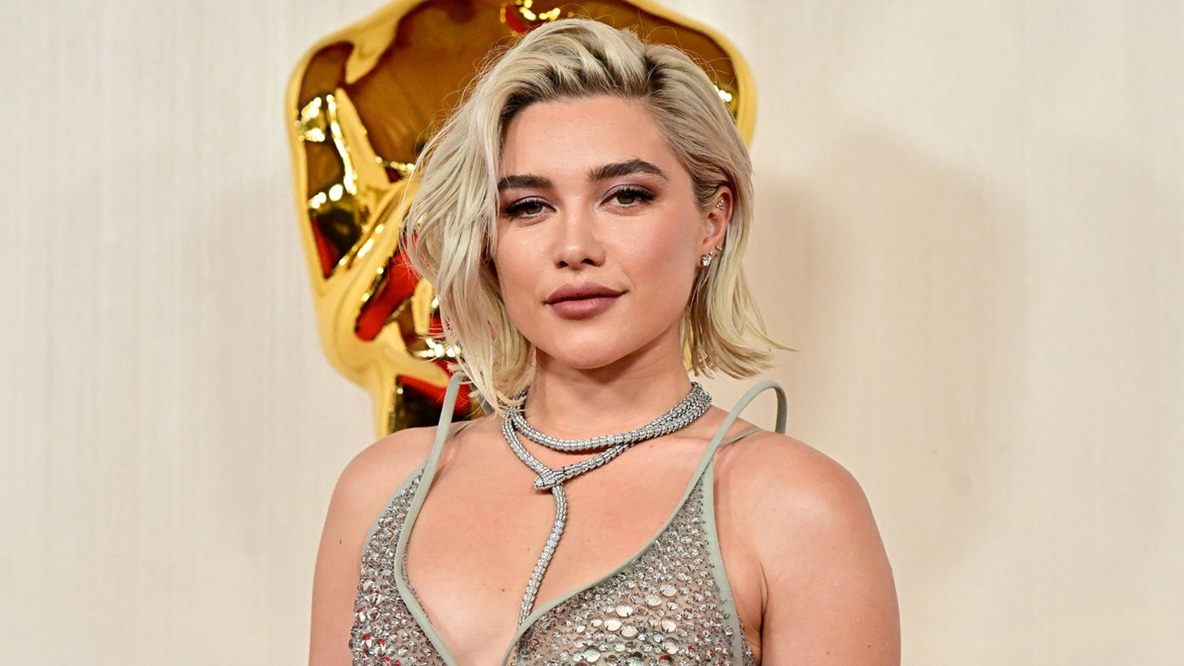
Pugh acknowledged that her opinion on the role has evolved over time. “My view is changing because I’m now having fantastic experiences with intimacy coordinators,” she said. “However, I’ve also had a bad example — someone who made it so weird and awkward and wasn’t helpful at all. It’s a job that’s still figuring itself out.”
According to Pugh, when done well, intimacy coordination can add meaningful depth to storytelling. She explained that great coordinators help actors and directors explore the “dance of intimacy” — defining what kind of connection the characters share, how they would realistically touch each other, and what those moments mean in the context of their relationship. Discussions about boundaries, safe words, and coverage are also handled with professionalism and care.
For Pugh, that collaborative process transformed her understanding of how intimate scenes can serve a story. “When I worked with a fantastic coordinator, I realised what I’d been missing — understanding the choreography of intimacy, as opposed to just shooting a sex scene,” she said.
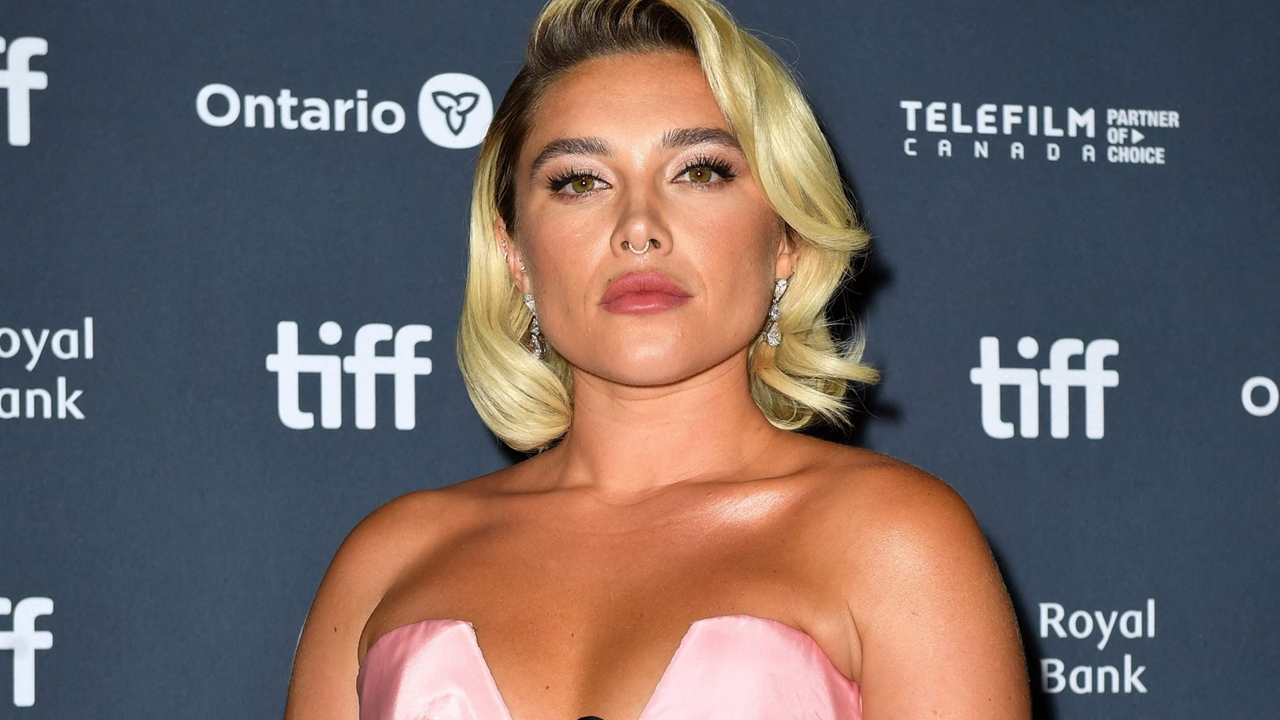
The conversation highlights a broader truth about Hollywood’s evolving approach to consent and creative safety. While major studios like HBO and Netflix now require intimacy coordinators on certain productions, the role still lacks universal standards and consistent quality. Pugh’s remarks underline that while the intention behind the role is crucial, its effectiveness depends heavily on the professionalism and empathy of those who perform it.
As more actors speak out, the film industry continues to refine how it handles intimacy — aiming not just for safety, but for authenticity and trust on set.
Florence Pugh’s reflections serve as both encouragement and caution: the presence of intimacy coordinators is a step forward, but the real progress lies in ensuring they truly understand and enhance the creative process.
Stay connected with us for the latest and exclusive updates on global entertainment—only here on Indori Nerd!