
The episode opens with a clever premise: a contract killer surveilling his target from a distance is found dead after someone tampers with his brakes. Somebody has assassinated an assassin, and that immediately makes for a more interesting starting point than most procedural setups manage on their best day.
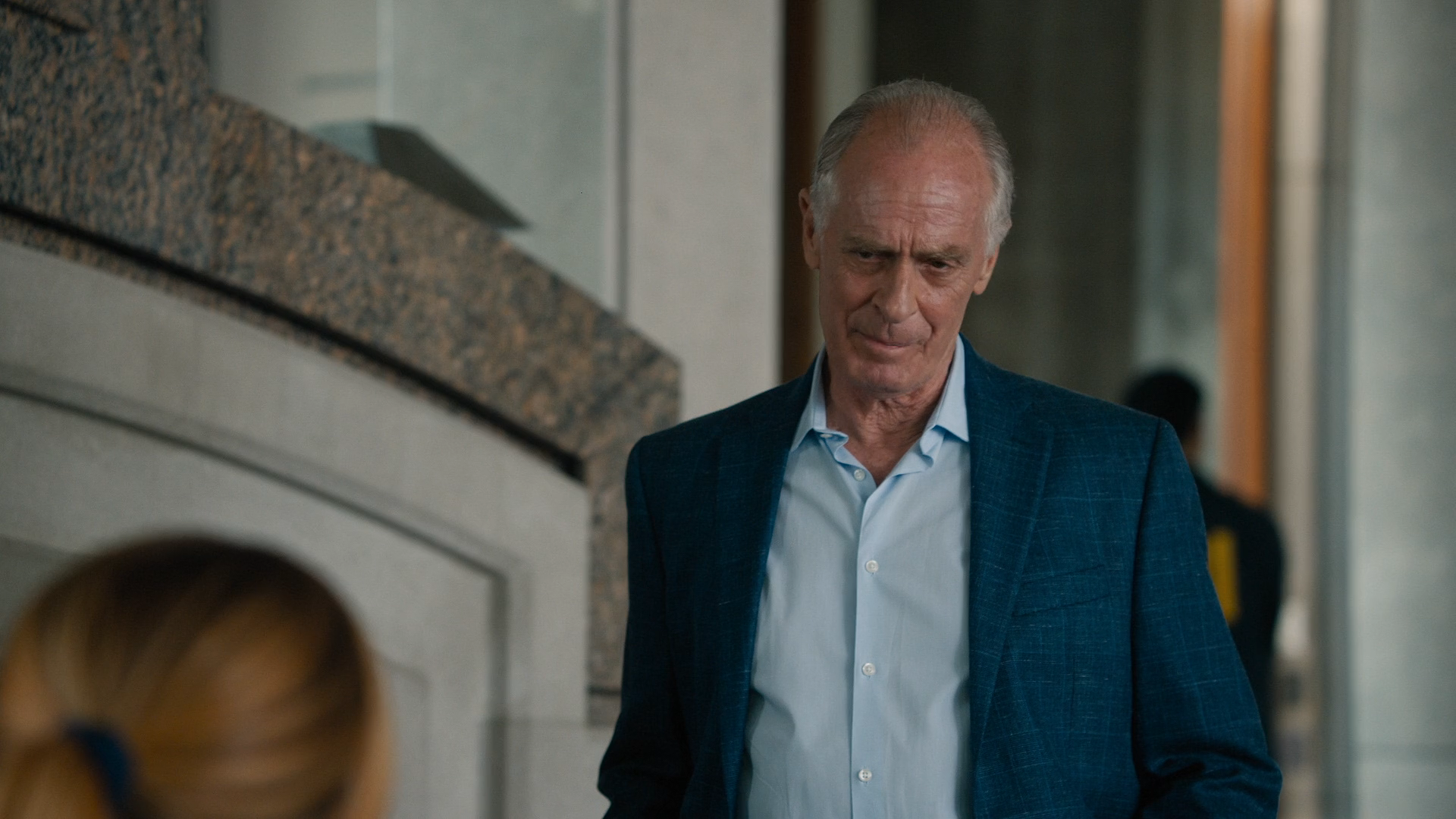
The target was Douglas Newmeyer, a wealthy inventor played by Keith Carradine, currently under public scrutiny for selling faulty vacuum cleaners that cause house fires. Morgan takes an instant and visceral dislike to him, and he does absolutely nothing across the episode to discourage her. Watching Morgan navigate a case involving someone she genuinely cannot stand is one of the episode’s most reliably entertaining threads.
The dead hitman turns out to be Curtis Bellinger, an undercover FBI agent, which immediately raises the personal stakes for the department. Two federal contacts arrive to assist: Mira and her supervisor, Wayne Vincent, played by Peter Jacobson. Wagner’s own history working undercover for the Feds creates an intriguing personal dimension that the episode uses to quietly tie him closer to the Roman disappearance subplot.
The mole reveals the land predictably. With only two newly introduced FBI characters in the episode, the culprit pool is shallow. Vincent was accepting bribes from Newmeyer to bury the investigation into the faulty vacuums, and Bellinger found out about it. It is a tidy resolution to a case that ultimately asks very little of Morgan’s deductive abilities.
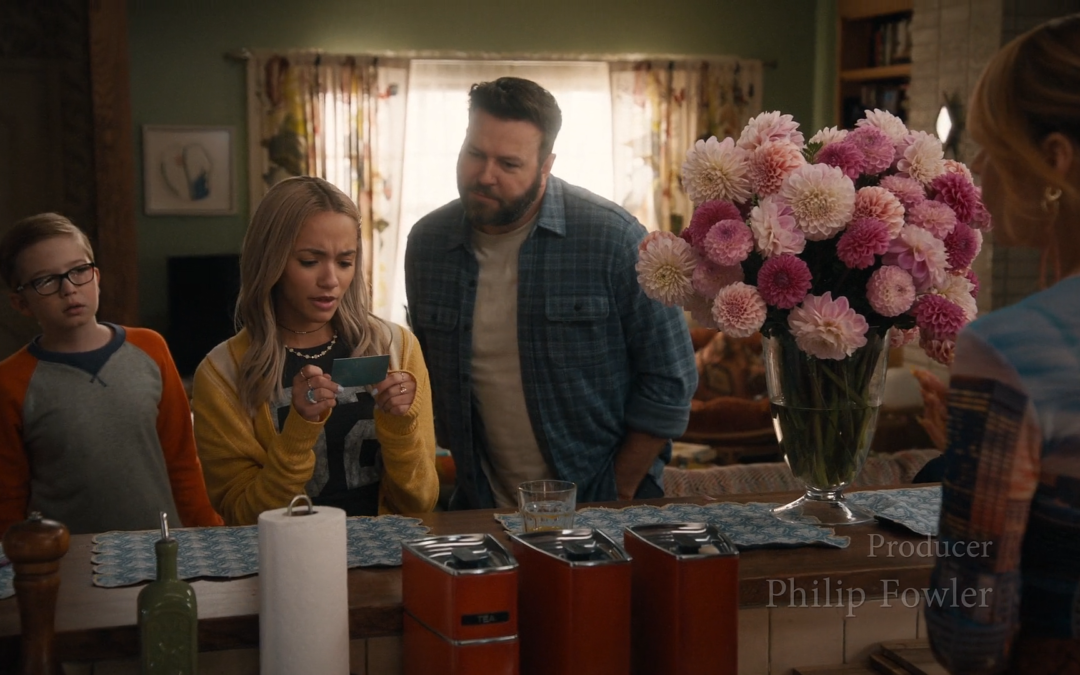
Meanwhile, a bouquet from Rhys arrives for Morgan at the start of the episode, and Elliot mistakenly assumes it came from Ludo. This leads him to secretly coach his father on winning Morgan back, which Ludo eventually discovers. Rather than letting it turn awkward, Ludo calls Morgan, and they handle it together as co-parents, giving us one of the episode’s warmest and most genuinely human moments.

This is the kind of episode that High Potential does in its sleep, which is both a compliment and a mild criticism. The show is so well-constructed as a procedural that even its more routine outings are watchable and warm. But after the urgency and emotional weight of Episode 8, this one feels noticeably quieter.
The assassinated assassin premise is clever, and the episode deserves credit for it. The problem is that the case never quite builds on that strong opening. The mole plot resolves itself through logic of elimination rather than through any genuinely surprising deduction from Morgan, and that diminishes the satisfaction of the reveal considerably.
The Karadec and Morgan scene, where he quietly comforts her after Newmeyer’s cutting remarks remind her of her absent father, is the episode’s emotional highlight. It says more about where these two are headed than any plot development could manage. Their dynamic continues to be the show’s most quietly compelling relationship.
Arthur’s disappearance is conspicuously absent from the episode’s main action due to procedural timing constraints, but that absence itself creates unease. The mention of Morgan’s father on two separate occasions now feels like a deliberate setup, and Episode 9, despite its lighter tone, plants enough seeds to keep us genuinely invested in what is coming next.