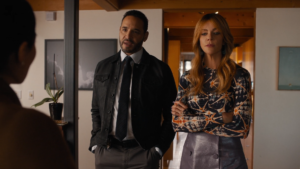
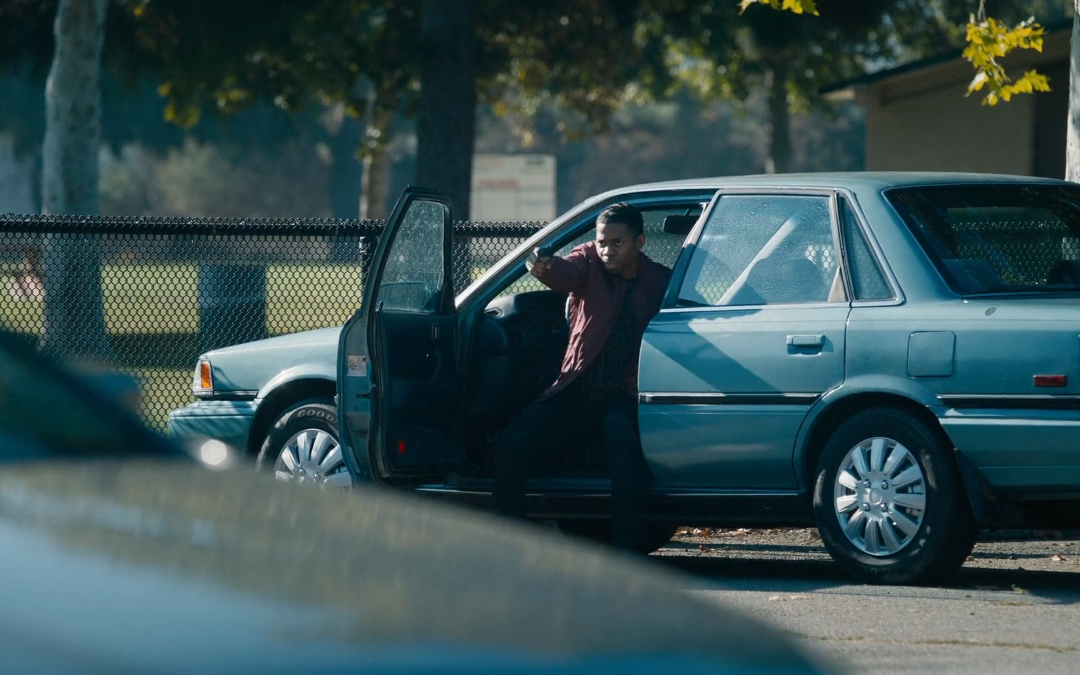
We open with a murder that refuses to sit still. A man with a checkered past is found dead in a locked studio with one broken window and zero usable prints. I clocked how the show plants three misleads early.
A jealous ex, a fake alibi tied to a charity shift, and a pawn shop ticket that screams red herring. Morgan latches onto a pattern, not a profile. She maps the victim’s week as a loop and spots an odd pause every Thursday at 6, a gap that does not fit the job or the romance.
Karadec plays ballast. He pulls permits, chases the building’s maintenance logs, and finds a quiet paper trail for unreported gas leaks. The case pivots when a burnt coffee roaster reveals traces of an accelerant that shouldn’t be there.

Morgan replays the room with airflow in mind and builds a timeline where the killer never touches the victim. The culprit weaponized an old trauma trigger, then set a delayed ignition to make panic do the rest.
The Thursday gap cracks open the motive. The victim was visiting a grief group under a different name, trying to make amends for a decade-old hit-and-run. The person he hurt never healed. We learn the killer did not mean to kill.
They meant to scare, to force a confession on camera, but it spiraled out of control. Morgan talks them down in a scene that trades shouting for listening. Karadec closes cuffs, gentle but firm. Back home, Morgan finally opens up to Ava about why certain cases pull her under. It is small, honest, and needed.
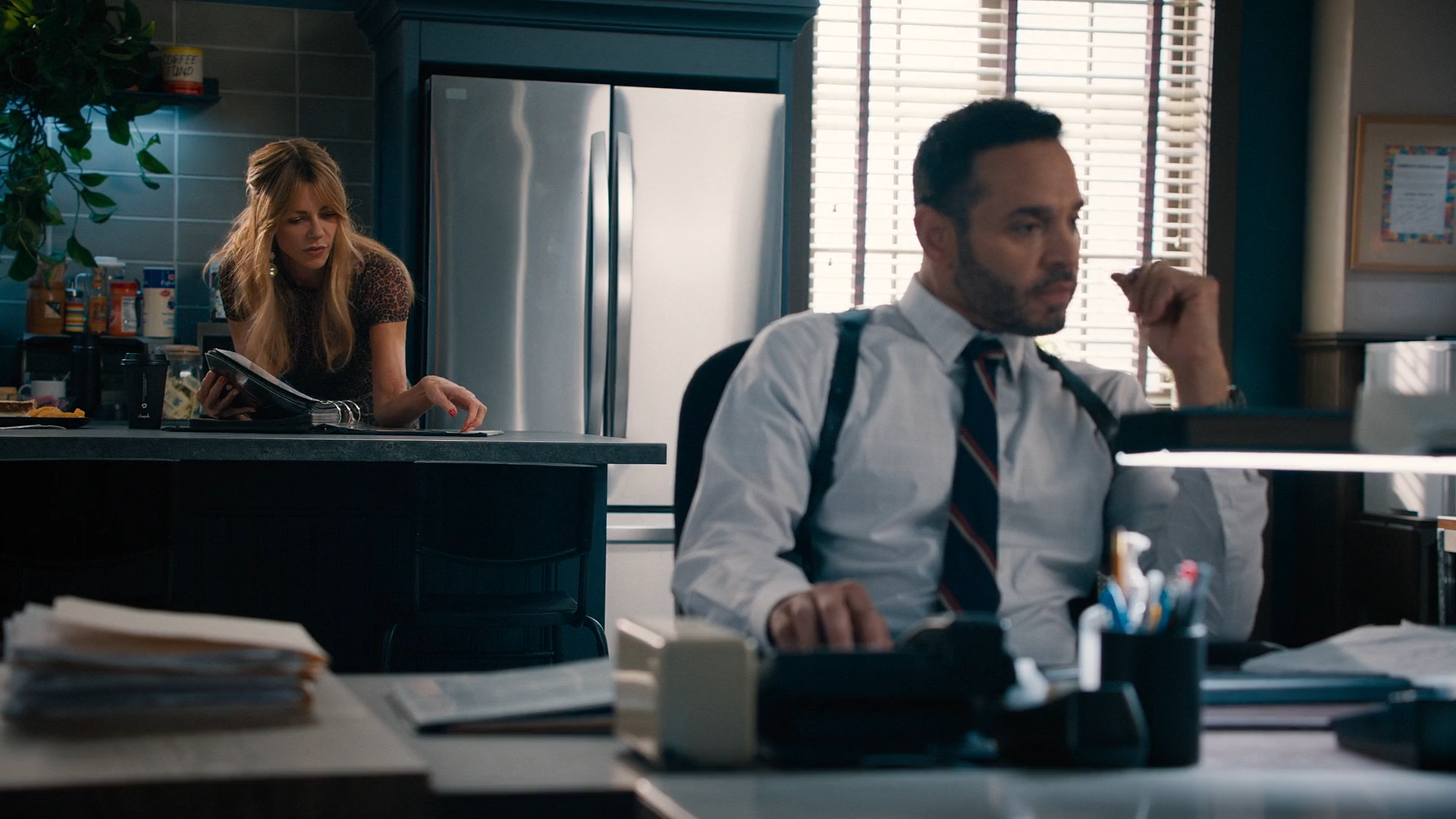
What clicks is focus. The mystery is clean, and the solution is earned by observation rather than a magic leap. I liked how the hour uses the environment as evidence. Airflow, residual heat, and a roaster’s timer do more heavy lifting than a lab monologue. Morgan’s empathy steers the interrogation without turning it into therapy cosplay, and Karadec’s pragmatism keeps boundaries intact.
Character beats land. Morgan’s talk with Ava is the kind of scene that enriches the case retroactively. We understand why she spots guilt patterns others miss. Karadec stays steady, reading the room and giving Morgan space until he needs to draw the line.
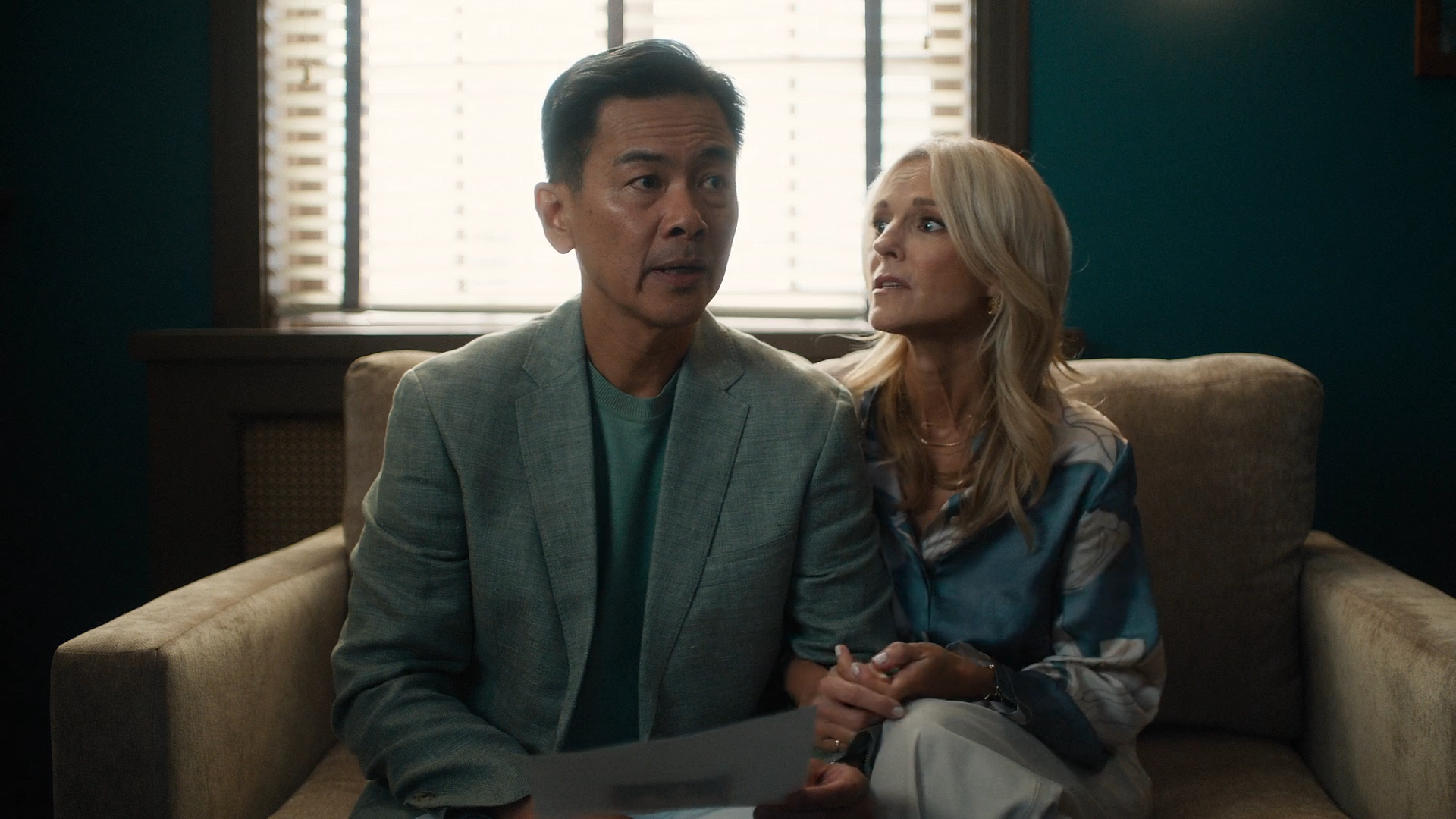
Oz gets a brief, meaningful assist with the pawn ticket metadata that feels like progress after earlier trauma. The banter stays light without stepping on the stakes.
Visually, the episode is tight and readable. The locked room plays fair with angles. The reconstruction of the ignition uses crisp inserts that make the method snap into place. The score lets silence do the tension work, especially in the confession, where a held breath speaks louder than strings.
If there is a wobble, one mid-episode suspect scene lingers a beat too long, telegraphing a fakeout we already clocked. Still, the hour sticks the landing. The case resolves with consequence, not convenience, and the final mother-daughter beat sets up a more grounded back half. It is smart, human, and paced like a show that trusts us to keep up.