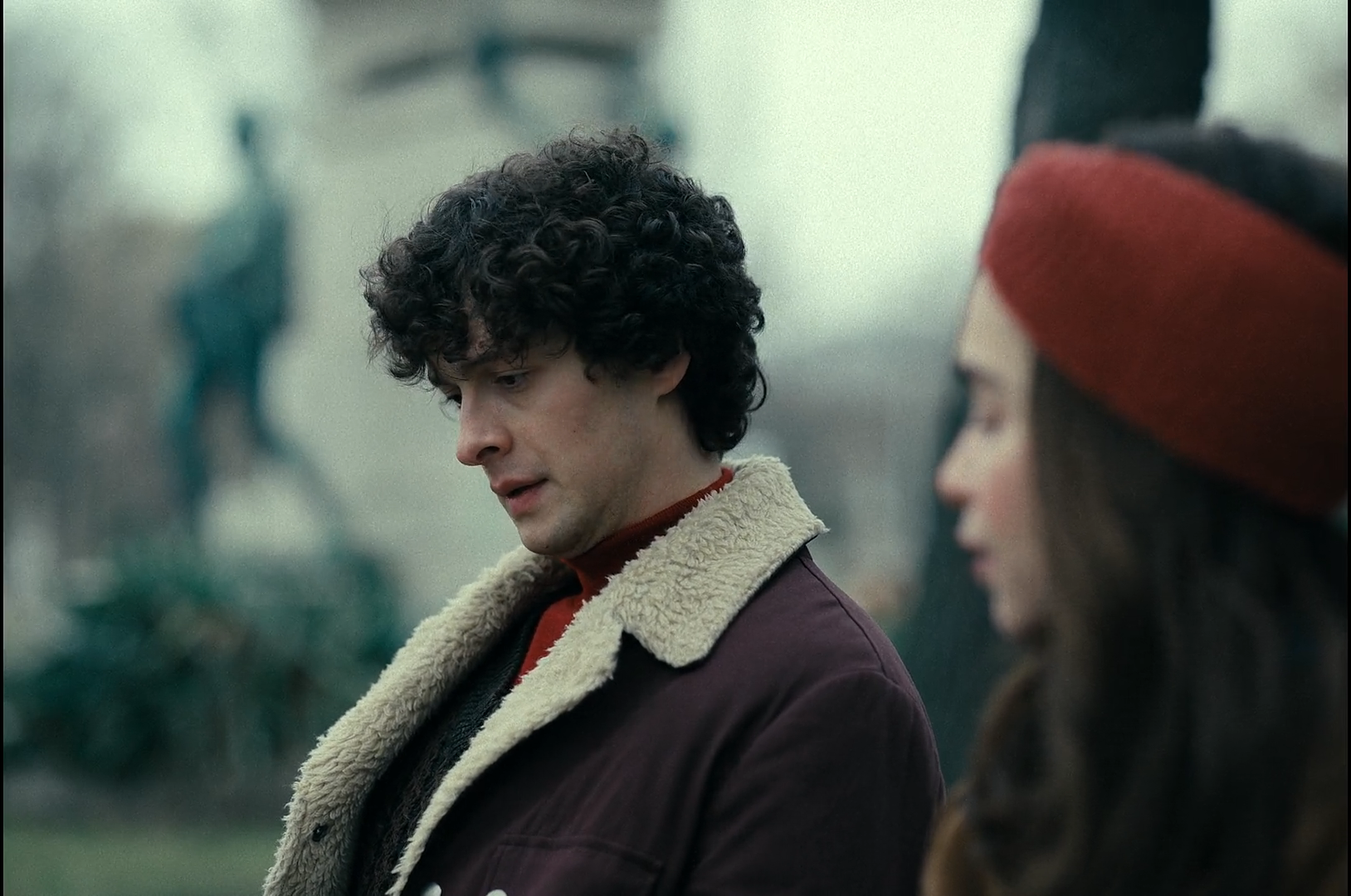
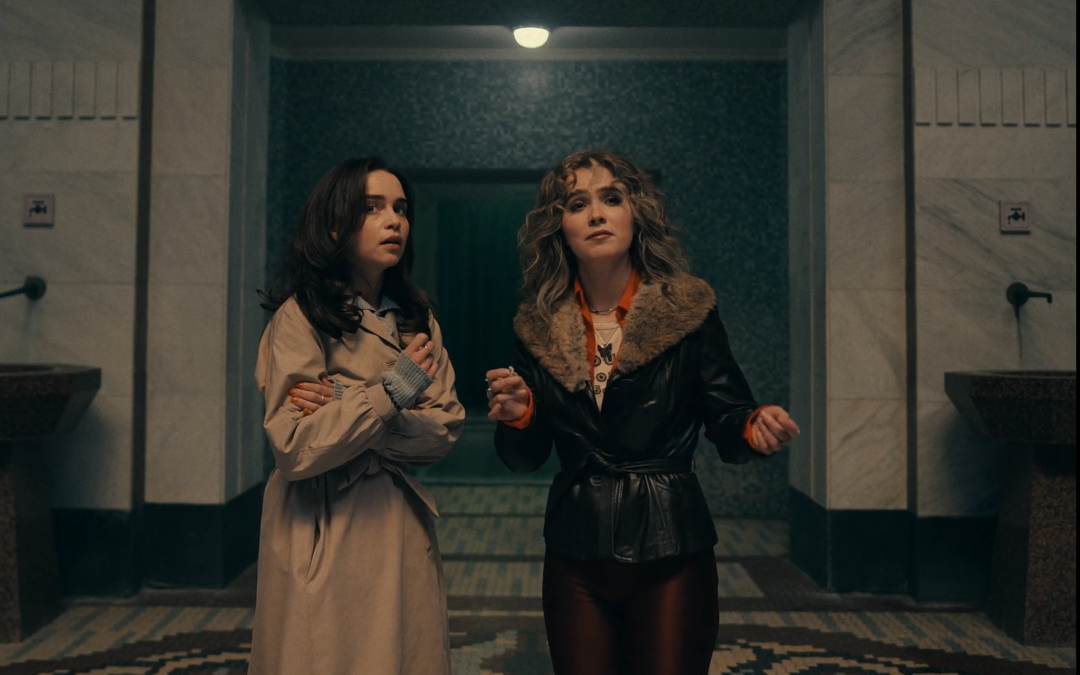
This chapter builds confidently on the premiere. It nudges the story forward without disrupting the breezy rhythm. The charm remains intact, but the cracks beneath the surface start widening.
The episode picks up with Bea and Twila settling into their new roles as “Ponies” at the embassy. We see them training under Dane, who insists they stay invisible. However, Bea is quickly compromised when the dangerous KGB officer, Andrei, calls her private line.
Andrei asks Bea out on a date. She is terrified and initially refuses. However, Dane orders her to go, viewing it as a massive intelligence opportunity. We watch Bea struggle to shut off her emotions while preparing to meet a potential killer.
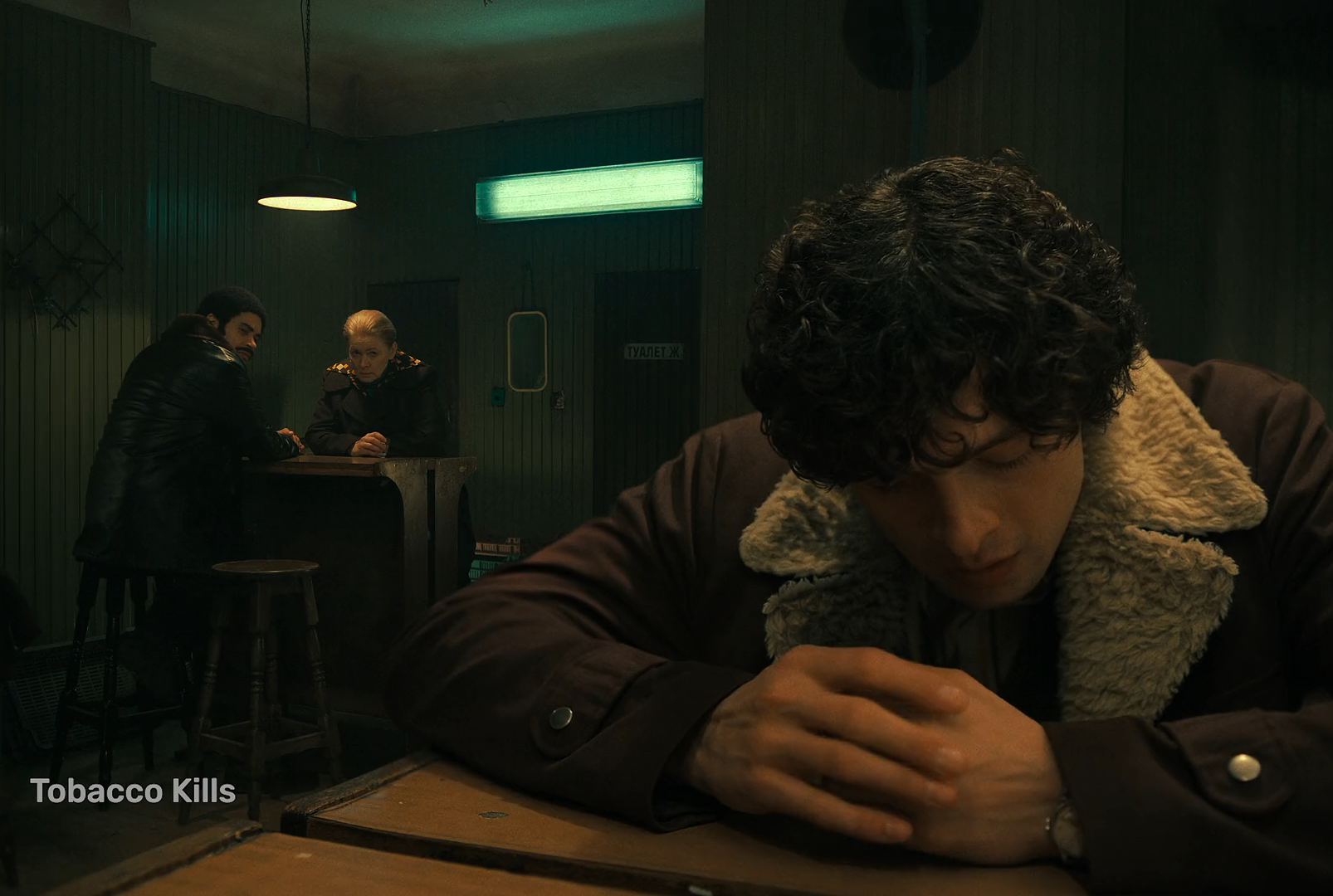
Meanwhile, Twila is tasked with charming George to gather intel. To win him over, she effectively steals Bea’s own love story, pretending it is her own history. This deception works, but it highlights the moral compromises we are starting to see them make.
The episode ends on a chilling note. George reports that the woman he was with, Sveta, has been found dead. We learn that Andrei is responsible for the brutal murder. Despite the danger, Bea agrees to a second date after finding a mysterious Morse code clue.
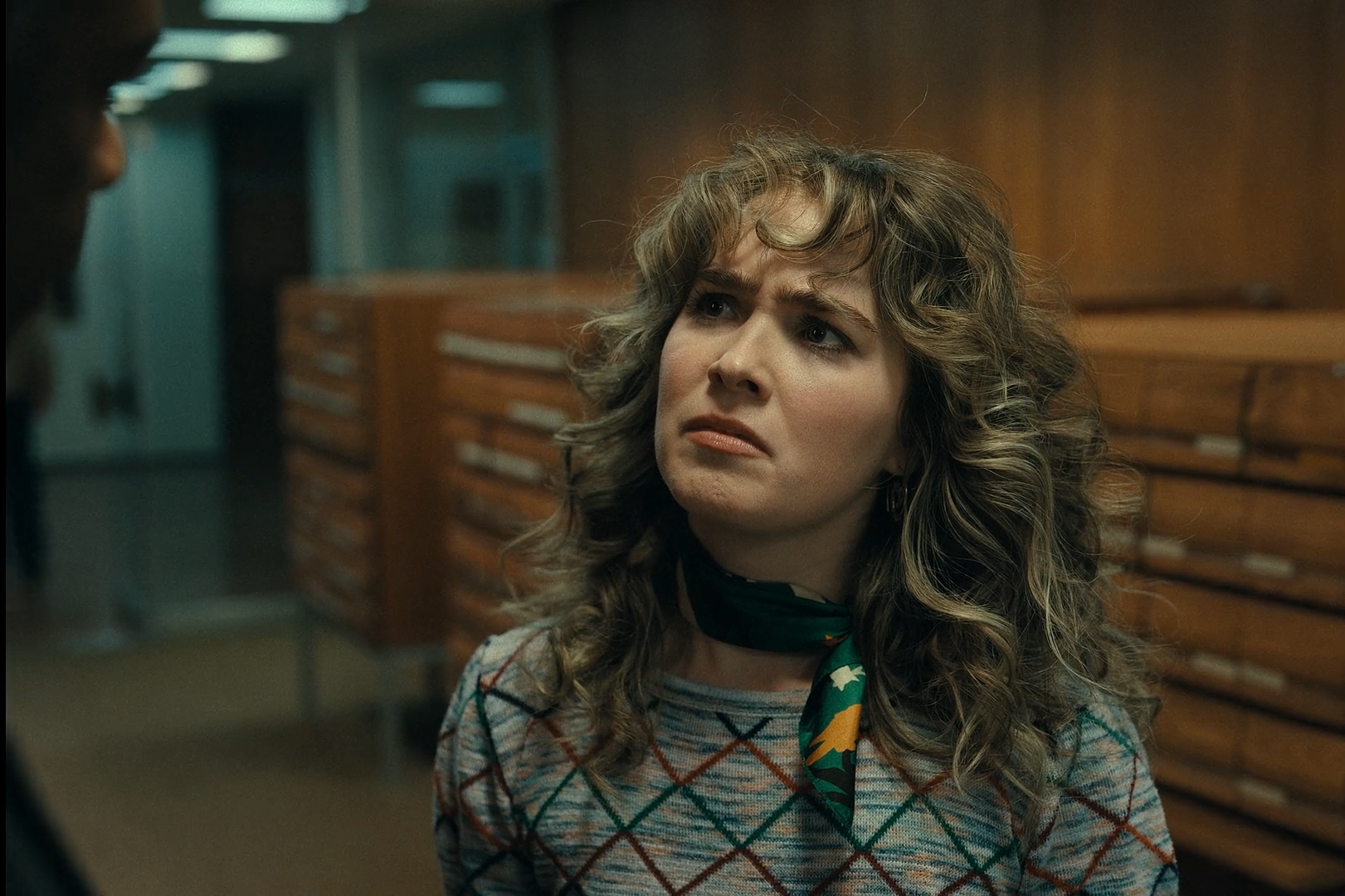
This episode succeeds by deepening rather than escalating. The show continues playing a patient game, trusting character development over sensational plotting. What stood out to me is how the episode handles tension. Conflict never explodes; it simmers in every phone call.
The writing remains impressively natural. Dialogue flows with conversational ease, balancing humor and unease. Emotional beats emerge through subtext instead of dramatic declarations. I loved the contrast between the leads. Bea is falling apart, while Twila is finding a strange thrill in the deception.
Pacing stays relaxed, yet it feels more purposeful than the premiere. Scenes move with subtle momentum, nudging relationships into unstable territory. The performances anchor the show beautifully. The cast leans into restraint, conveying insecurity through small gestures. A pause before responding says everything.
I particularly appreciated how the episode explores perception. We are not just reacting to events; we are reacting to how characters believe they are seen. That psychological layer adds depth without weighing the tone down. It makes the spy work feel intimate and personal.
Ultimately, this installment reinforces the show’s unique identity. It is more interested in emotional realism than dramatic spectacle. By the end, we have a stronger sense of character complexity. The charm still works, but it now carries a distinct, dangerous tension.