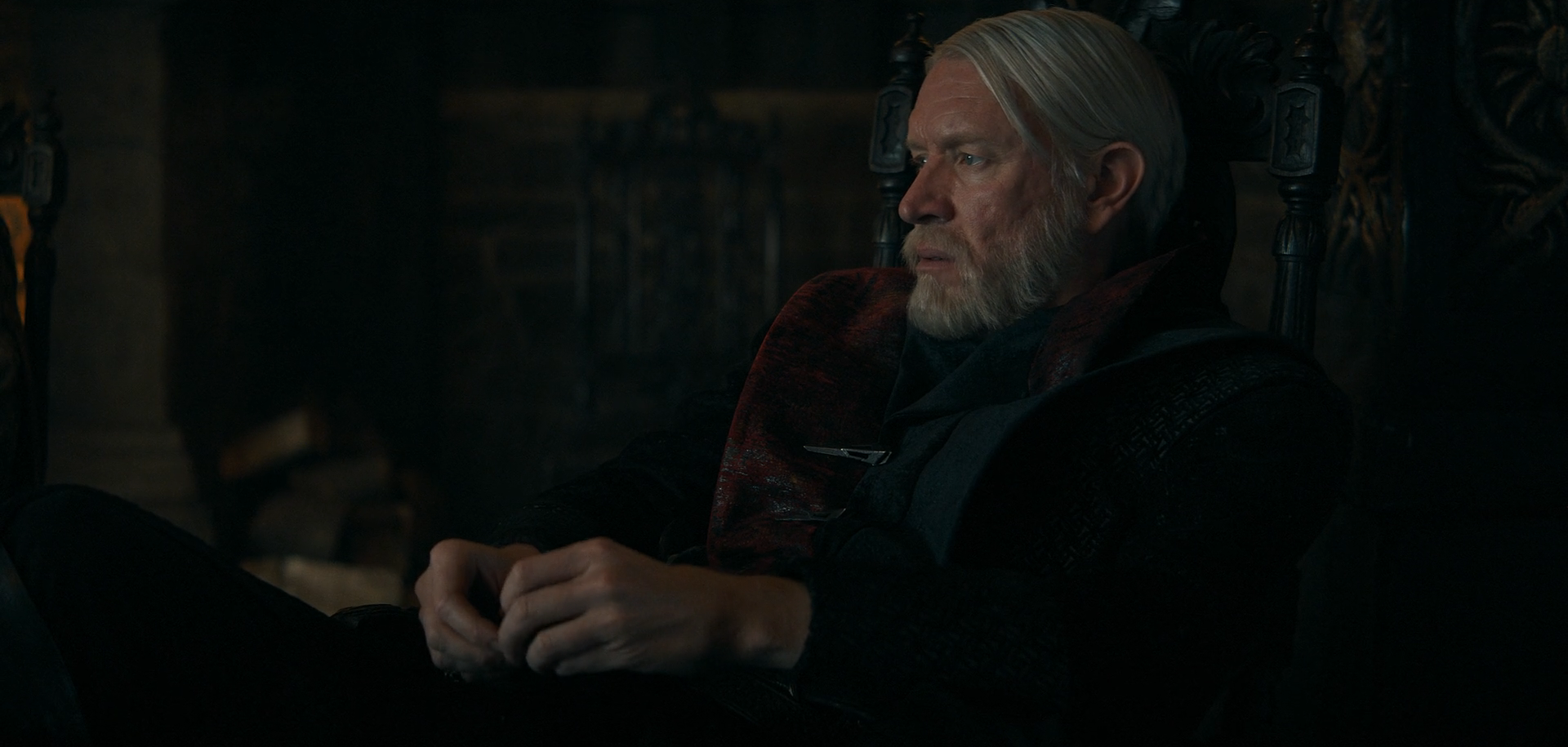
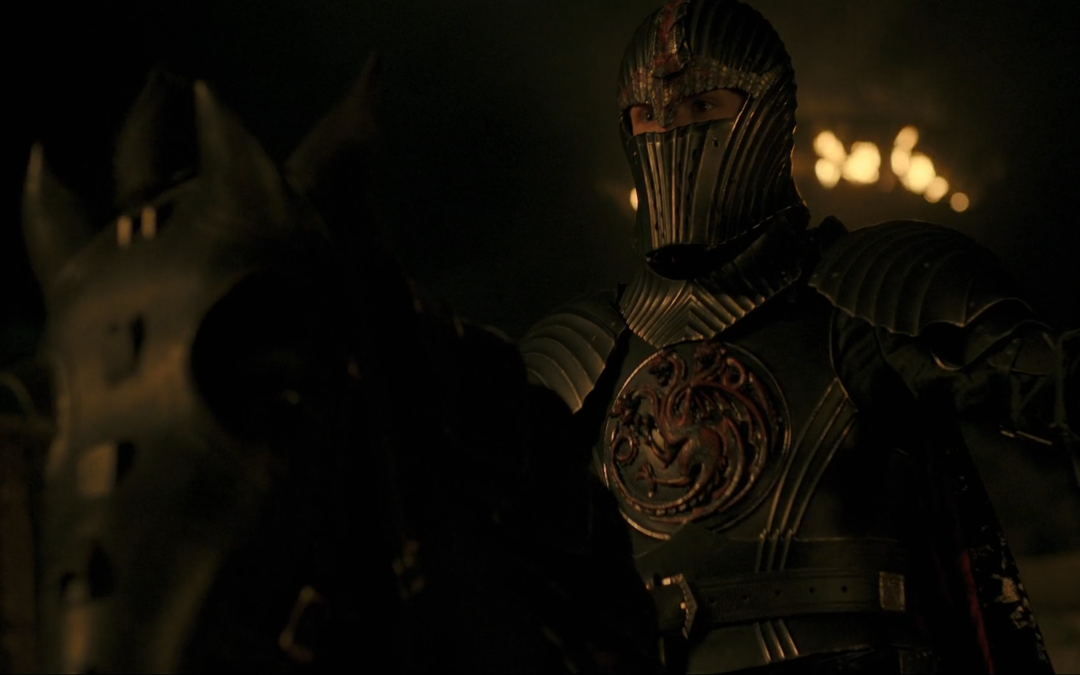
The episode opens with our knight and squire already on the move, their partnership still fragile and defined by need rather than trust. Resources are scarce, and every stop along the road carries risk. Food, shelter, and safety are never guaranteed.
Their journey brings them into a community shaped by hierarchy and fear. Power here is informal but absolute, enforced through reputation rather than law. The episode carefully shows how quickly outsiders are sized up and how easily courtesy can turn into a threat.
A local dispute pulls the duo into uncomfortable proximity with authority. It is not a grand conflict, but it carries real stakes. Pride, status, and unspoken grudges fuel tension. Our knight is forced to decide whether to stay neutral or intervene, knowing either choice will have consequences.
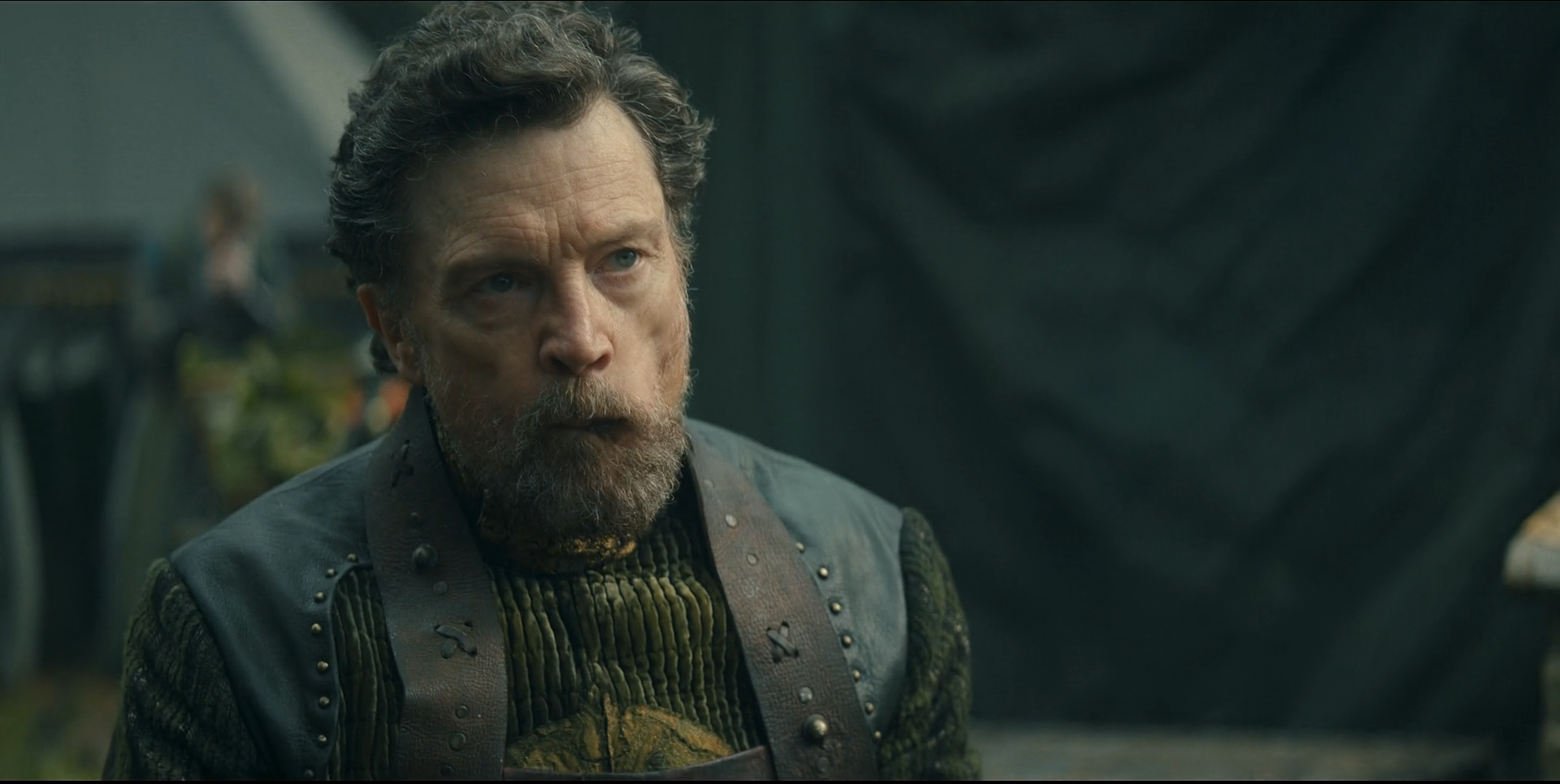
The squire’s role expands in this episode. No longer just an observer, they begin to question decisions and assert opinions. That shift creates friction but also trust. Their conversations reveal differing ideas about honor, survival, and what knighthood truly means.
The episode ends with a decisive act that alters how others see them and how they see each other. The road ahead feels heavier now, shaped by choices that cannot be undone.
Episode 2 succeeds by raising stakes without inflating scale. The danger feels immediate because it is personal. Nobody is trying to save a kingdom. They are trying to protect dignity in a world that rarely rewards it.
What I appreciated most is how the episode explores honor as a burden. Doing the right thing here does not bring applause or safety. It brings scrutiny and risk. That tension gives weight to every decision.
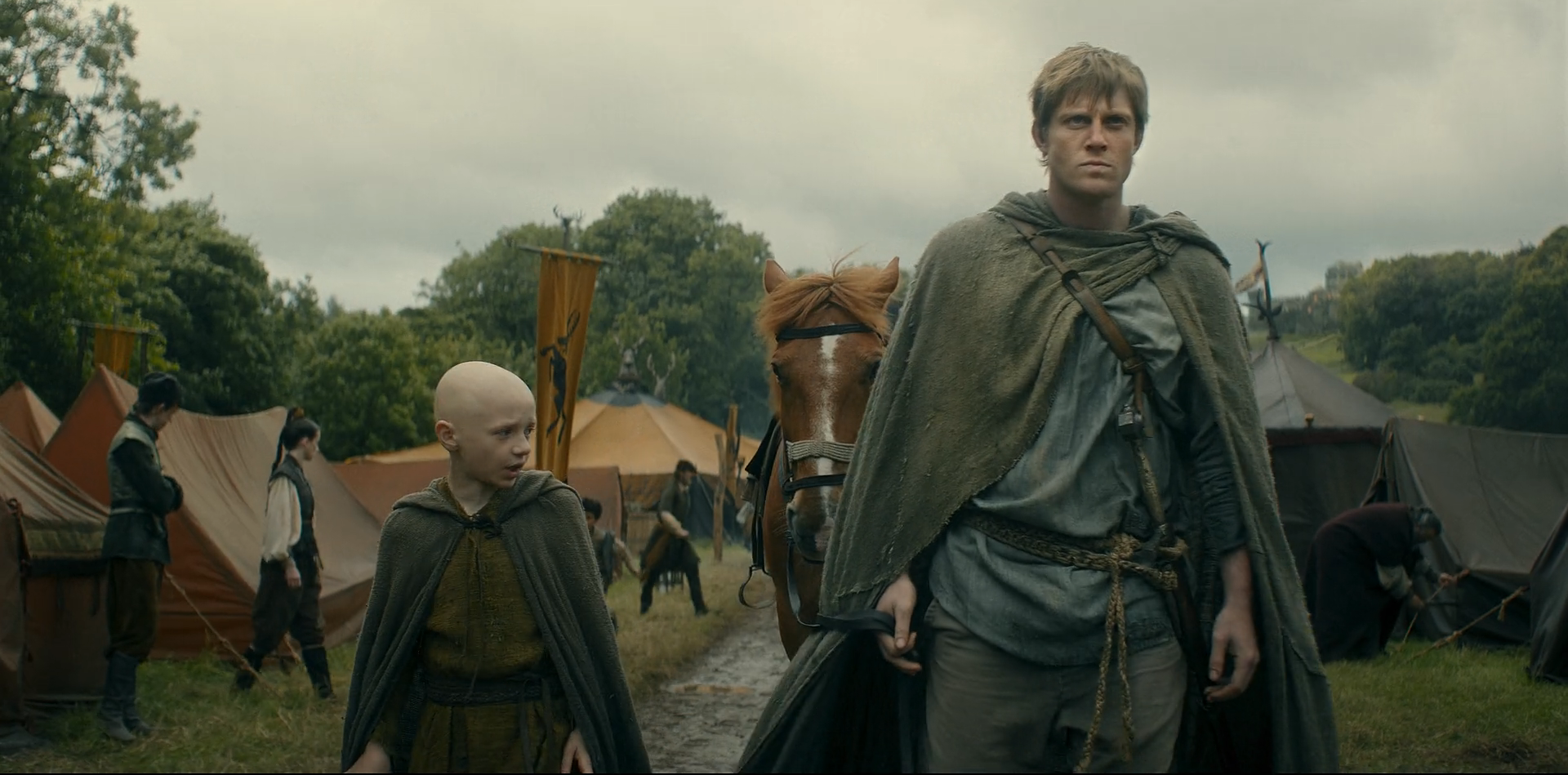
The dynamic between knight and squire becomes the emotional core. Their conversations feel earned and occasionally uncomfortable. Respect grows not through declarations but through shared hardship and disagreement. That realism strengthens the bond.
Pacing remains measured, but there is more forward momentum than in the premiere. Scenes transition with purpose, and conflict emerges naturally from the environment and personality rather than coincidence.
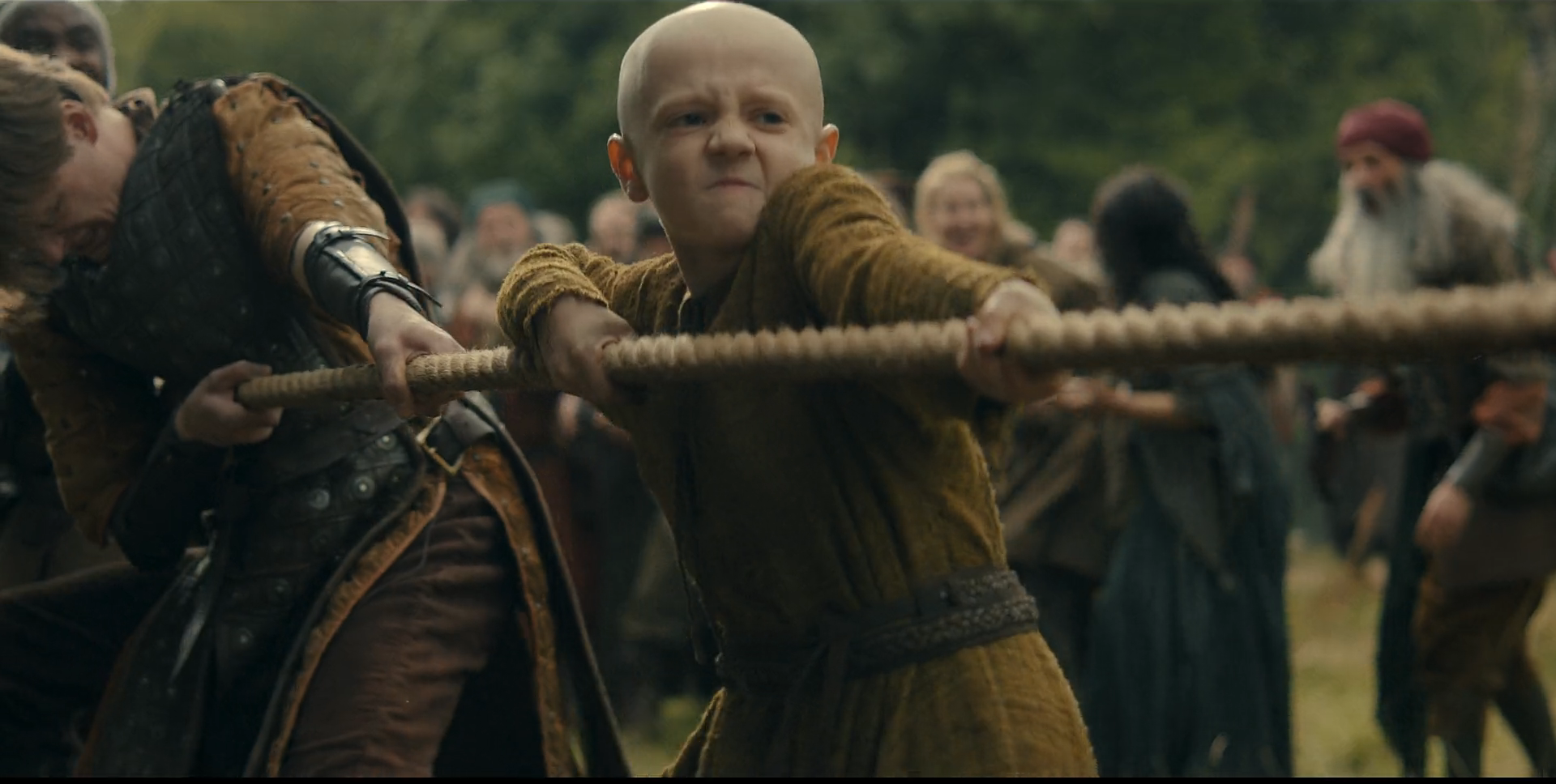
The writing continues to avoid exposition. We learn about the world through reaction and consequence. A look held too long. A refusal that lingers. These moments carry more impact than any explanation.
Visually, the episode leans into contrast. Open roads offer freedom, but no safety. Enclosed spaces offer shelter but demand submission. That push and pull mirrors the choices facing our characters.
If there is a limitation, it is that the episode stays intimate to a fault. Some may want a broader sense of the world beyond these encounters. But the series seems committed to this scale, and that commitment gives it identity.
As a follow-up, episode 2 confirms that this story is not about glory. It is about persistence. It shows us that ideals only matter when tested repeatedly and that carrying them forward is an act of quiet defiance. That makes this chapter both engaging and quietly moving.