
Tisca Chopra Takes Aim at Bollywood’s Creative Comfort Zone
The actor-turned-filmmaker’s OTT thriller starring Radhika Apte sparks conversation about risk-averse storytelling and weak writing in Hindi cinema.
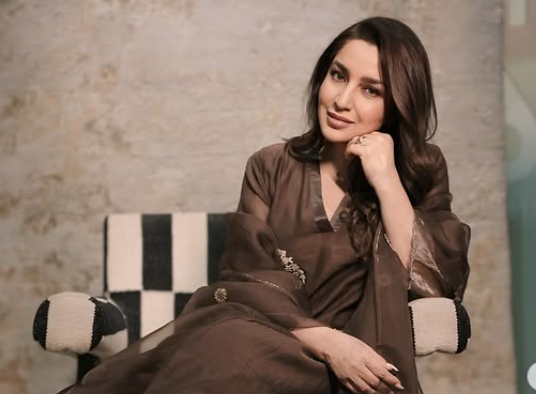
Tisca Chopra has officially stepped into feature filmmaking with Saali Mohabbat, her first full-length directorial venture, which recently premiered as a direct-to-digital release. The drama-thriller stars Radhika Apte in the lead, alongside Divyendu Sharma and Anurag Kashyap, and marks a significant creative milestone for Chopra, who has previously directed short films and episodic content. Audiences, however, largely remember her for her emotionally impactful performance in Aamir Khan’s Taare Zameen Par (2007).
Set against the backdrop of a seemingly quiet small town, Saali Mohabbat unfolds as a psychological thriller that explores guilt, secrecy, and moral ambiguity rather than relying on conventional whodunit tropes. Radhika Apte plays a central character whose life spirals after a shocking crime disrupts the town’s fragile calm. The film also features strong supporting performances by seasoned and emerging actors, adding to its gritty, character-driven tone.
Beyond the film itself, Chopra has been drawing attention for her outspoken views on the state of Hindi cinema. In a recent interview, she openly criticised Bollywood’s repetitive storytelling patterns, pointing out that the industry is failing at its foundation — writing. According to her, filmmakers often focus on surface-level elements while neglecting strong scripts, meaningful character arcs, and original ideas.
Chopra stressed that the real issue lies in the lack of time, freedom, and respect given to writers. While she clarified that commercial and comedy films are equally valid, she emphasised that every genre needs solid writing to work. She also highlighted the industry’s fear of experimentation, saying that producers and studios often play it safe by repeating the same formulas with minor tweaks — a strategy that audiences are increasingly rejecting.
Interestingly, Chopra believes viewers are far more open-minded than the industry gives them credit for. She argues that whenever filmmakers present something new with confidence and conviction, audiences respond positively. Saali Mohabbat, in many ways, reflects this belief — choosing mood, subtext, and psychological tension over mainstream tropes.
With this film, Tisca Chopra positions herself as a filmmaker willing to question norms and push for creative accountability. Whether Saali Mohabbat becomes a cult favourite or remains a polarising OTT release, it undeniably adds to the growing conversation about originality, risk-taking, and the urgent need to strengthen storytelling in Bollywood.
Stay connected with us for the latest and exclusive updates on global entertainment—only here on Indori Nerd!
![]()