Dakota Johnson Opens Up on Hollywood’s Dark Corners and Why She’s Still Determined to Create
At the Red Sea International Film Festival, the actor-producer discussed the “love-hate” reality of working in an industry full of creative fulfilment—and unsettling truths.

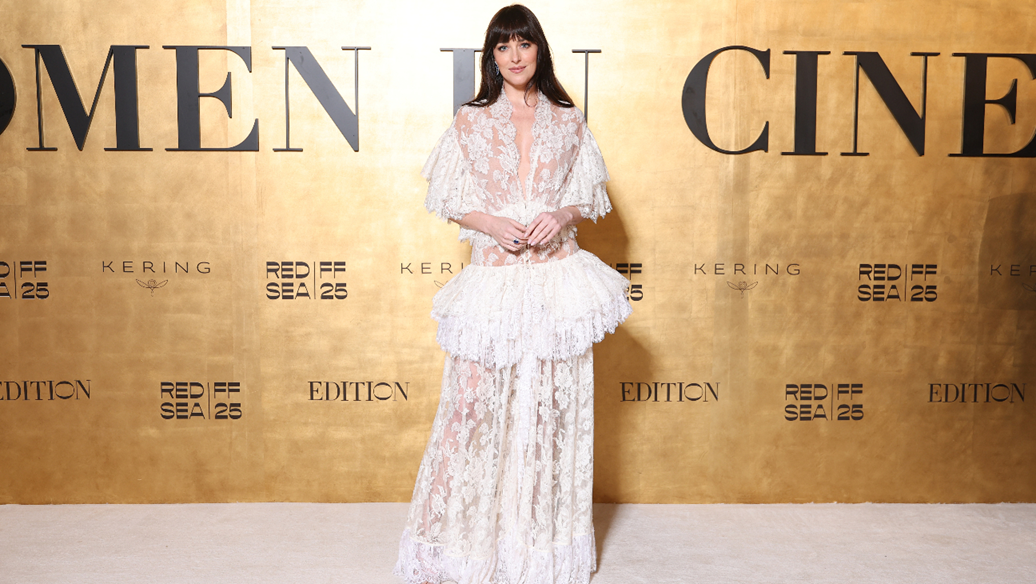
Dakota Johnson recently shared remarkably candid thoughts about her evolving place in Hollywood during an “In Conversation With” session at the Red Sea International Film Festival. She admitted that although acting and producing continue to inspire her creatively, she has developed what she calls a “love-hate relationship” with the job because of the emotional strain of performing and the “shady” dealings she has encountered while financing and producing films.
Johnson explained that after moving into producing, she began to see a side of the industry that is far less glamorous, describing certain financiers as “really shady” and saying that the process can be “heartbreaking.” Despite this, she said both acting and producing fulfil her deeply, even when the work is exhausting.
Johnson founded TeaTime Pictures with close collaborator Ro Donnelly to tell intimate, human stories—particularly female-driven ones. The company has backed films such as Am I OK?, Cha Cha Real Smooth, Daddio, and the upcoming Splitsville, along with the documentary The Disappearance of Shere Hite. TeaTime is also producing her feature directorial debut, A Tree Is Blue, adding yet another creative role to her expanding career.
Her motivation to produce, she said, came partly from watching her parents, Melanie Griffith and Don Johnson, collaborate closely with directors and producers. Growing up in a family of actors—including her legendary grandmother Tippi Hedren—she always wanted to act, but as she matured in the industry she realised she wanted more control over the projects that represented her artistry.
Reflecting on past work, Johnson said the 2019 film The Peanut Butter Falcon was among her most meaningful experiences, citing the close bond she formed with co-star Zack Gottsagen as a highlight of her career. She also spoke warmly about director Luca Guadagnino, describing him as the filmmaker who made her feel most understood as an artist while working on A Bigger Splash and Suspiria. Johnson recalled being intimidated as a young actor working with artists like Tilda Swinton and Ralph Fiennes, but she credits Swinton with encouraging her and helping her feel she belonged on that set.
She admitted that Suspiria was physically and emotionally demanding due to its intense choreography, most of which she performed herself. Johnson also praised Maggie Gyllenhaal’s direction on The Lost Daughter, calling her a “force” whose emotional intelligence pushed her to explore new dimensions of performance.
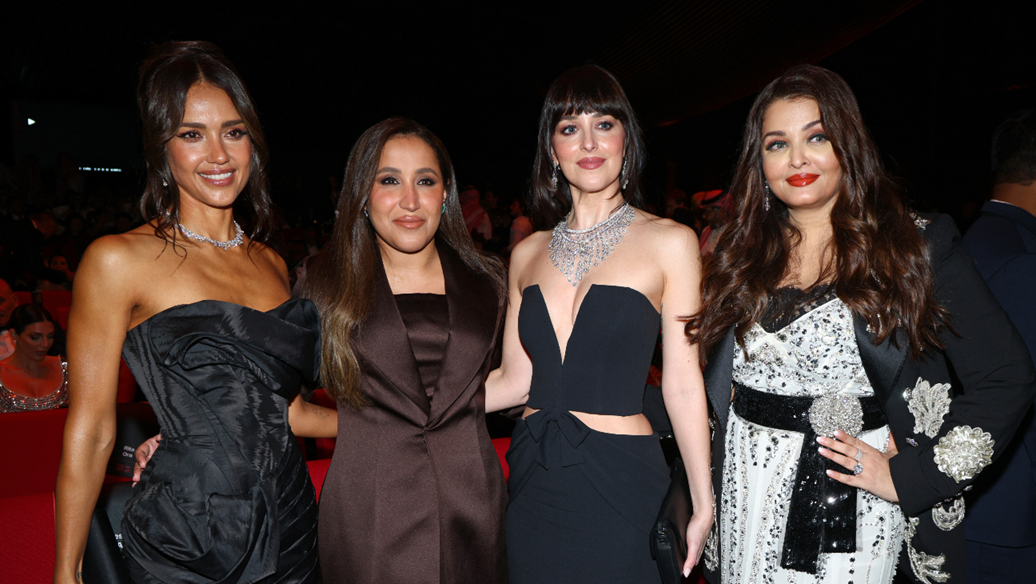
Even while discussing difficult aspects of the business, Johnson emphasised that she remains committed to telling stories that matter to her, particularly those centred on transformation and personal growth. She said that the complexities of the entertainment world have only strengthened her desire to create space for new voices, particularly women, and that producing has given her a clearer understanding of how to bring those stories to audiences.
Although she admits she has made choices in the past that may not have suited her perfectly, she now feels more confident choosing roles that align with her instincts and values. Her honesty at the festival offered a rare glimpse into the emotional and practical struggles behind Hollywood’s glossy exterior, while also underscoring her determination to reshape parts of the industry from within through empathy, creativity, and personal conviction.