Introduction
Before we get into episode-by-episode breakdowns, let’s talk about what The Lincoln Lawyer Season 4 is walking into and why this chapter feels quietly crucial for the series.
By now, we know the rhythm of this show. Sharp dialogue, moral grey zones, and cases that never stay inside the courtroom. This season arrives with the confidence of a series that understands its own voice, but it also feels like a course correction. The stakes are more personal, the legal battles messier, and the line between survival and principle thinner than ever.
I went in expecting a comfort viewing with a few clever twists. What I got instead was a season that leans harder into consequence. Wins feel fragile. Losses linger longer. Every decision carries weight, not just legally but emotionally.
What really stands out early on is how the season slows down when it needs to. It lets conversations breathe. It allows doubt to creep in. The cases matter, but the cost of fighting them matters more.
In the episode-wise reviews coming up, I’ll break down how each chapter builds tension, where the writing sharpens or slips, and how Season 4 reshapes the soul of The Lincoln Lawyer without losing what made us care in the first place.
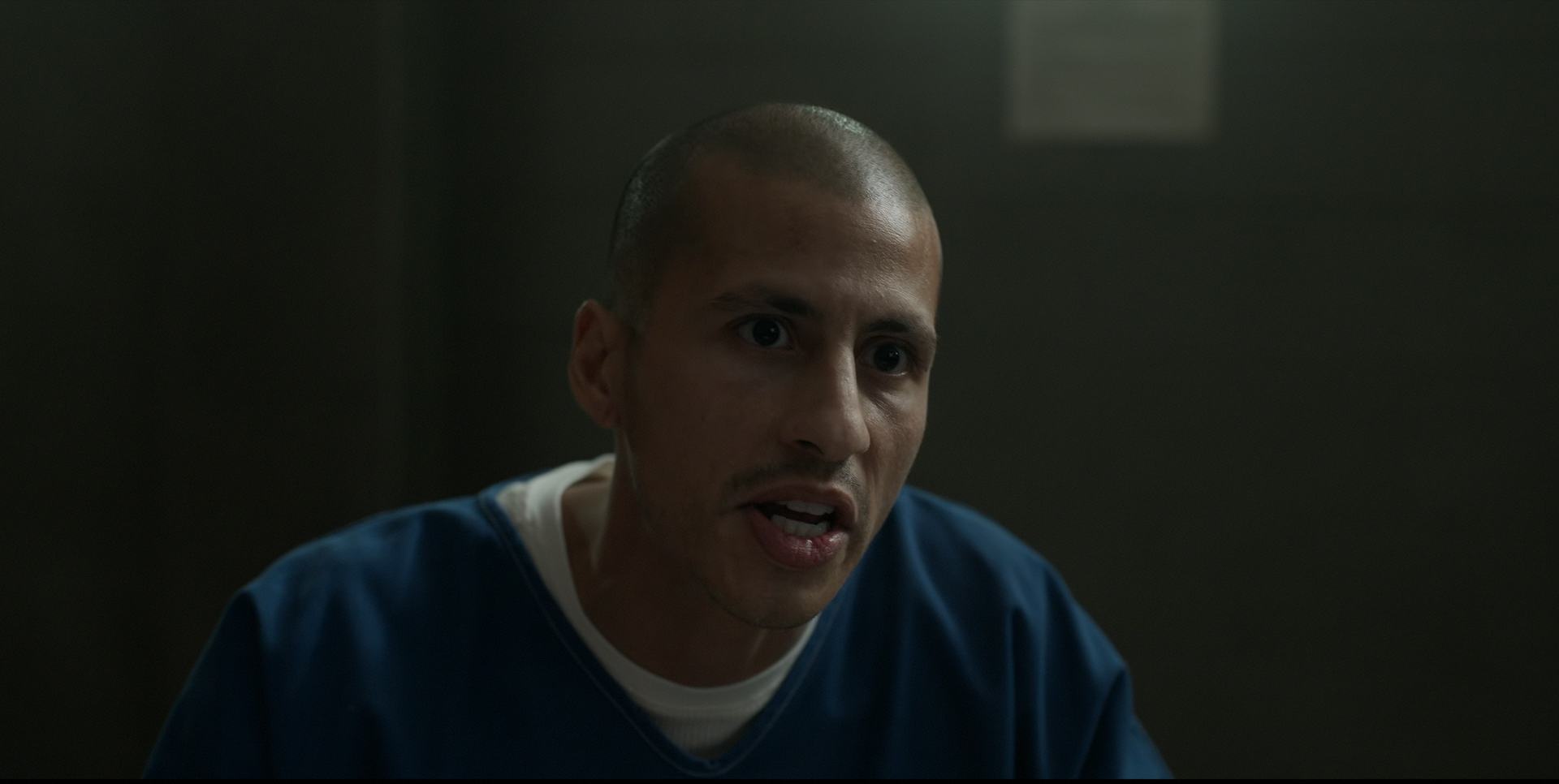
The premiere finds Mickey back in motion, juggling cases, clients, and the familiar chaos that comes with working out of his Lincoln. On the surface, things appear stable. He is winning where he needs to, staying sharp in court, and keeping his professional rhythm intact.
That sense of control does not last long. A new case enters the picture, one that looks manageable at first but carries uncomfortable undertones. The details refuse to sit neatly, and early interactions suggest there is more at stake than a routine legal battle.
Personal relationships also begin asserting themselves. Conversations with colleagues and confidants hint at unresolved tension from the past. Trust feels conditional. Advice comes wrapped in caution rather than reassurance.
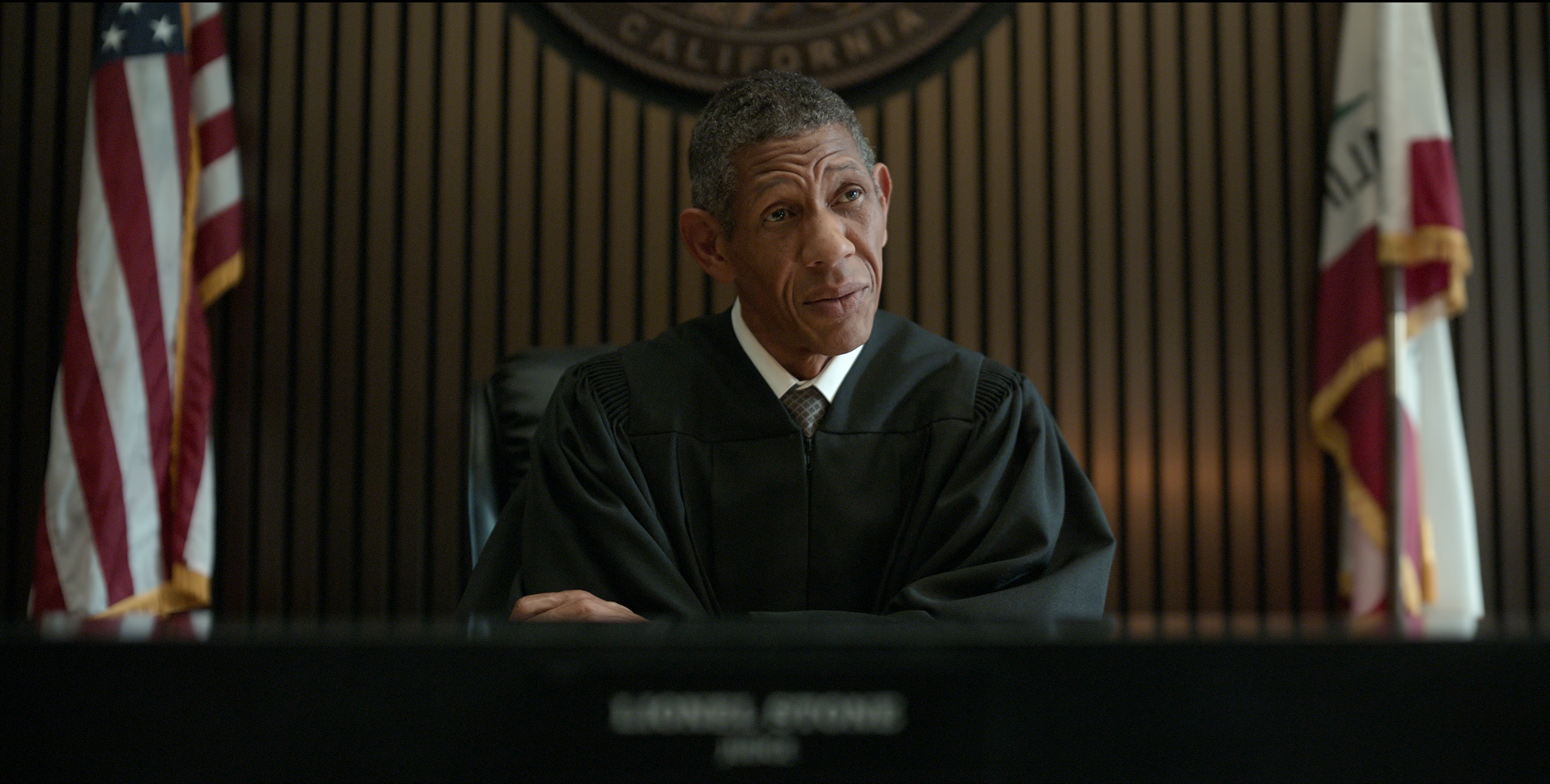
The episode closes without a cliffhanger, but with a shift in tone. Something has been set in motion, and ignoring it no longer feels like an option.
What this episode does exceptionally well is re-establish character without re-explaining it. The writing assumes we know Mickey, and that confidence pays off. Instead of exposition, we get behavior. He negotiates. He deflects. He takes calculated risks. That familiarity grounds the episode.
The pacing is deliberate but engaging. Scenes breathe, especially in conversations. The show allows doubt to linger, which makes the legal stakes feel heavier. This is not about flashy courtroom theatrics. It is about pressure building in small increments.
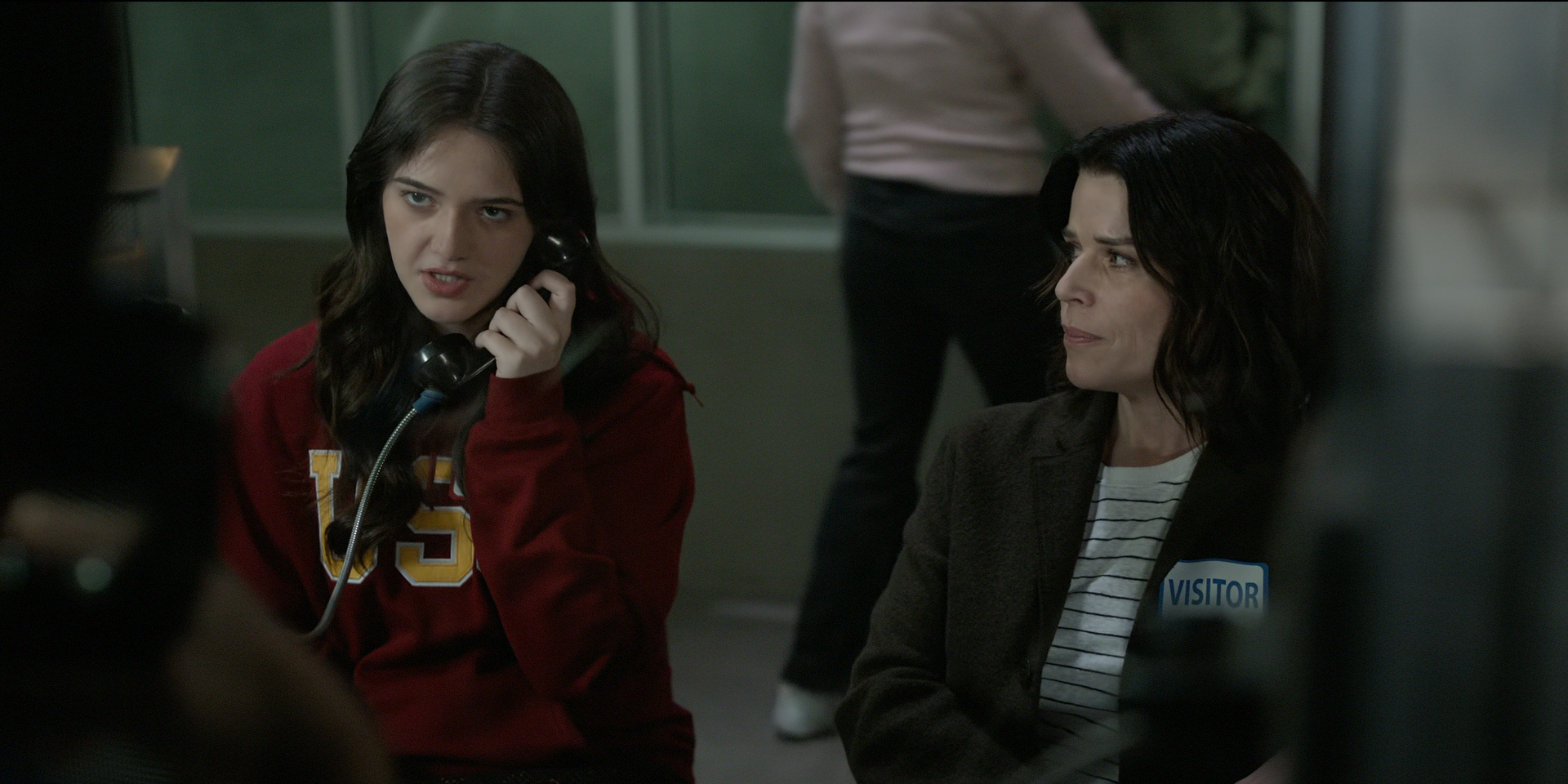
I also appreciate how the episode frames victory. Winning here does not feel clean. Even early successes carry a sense of compromise. That tonal choice signals a season more interested in consequence than cleverness.
The supporting characters are used effectively. Nobody exists just to advance the plot. Each interaction adds texture, whether it is a warning, support, or a subtle challenge. The relationships feel lived in, which strengthens the emotional weight.
Visually, the episode stays grounded. The city feels familiar but slightly colder. Interiors feel tighter. The Lincoln Memorial remains a symbol of freedom and confinement at the same time. That duality mirrors Mickey’s state of mind.
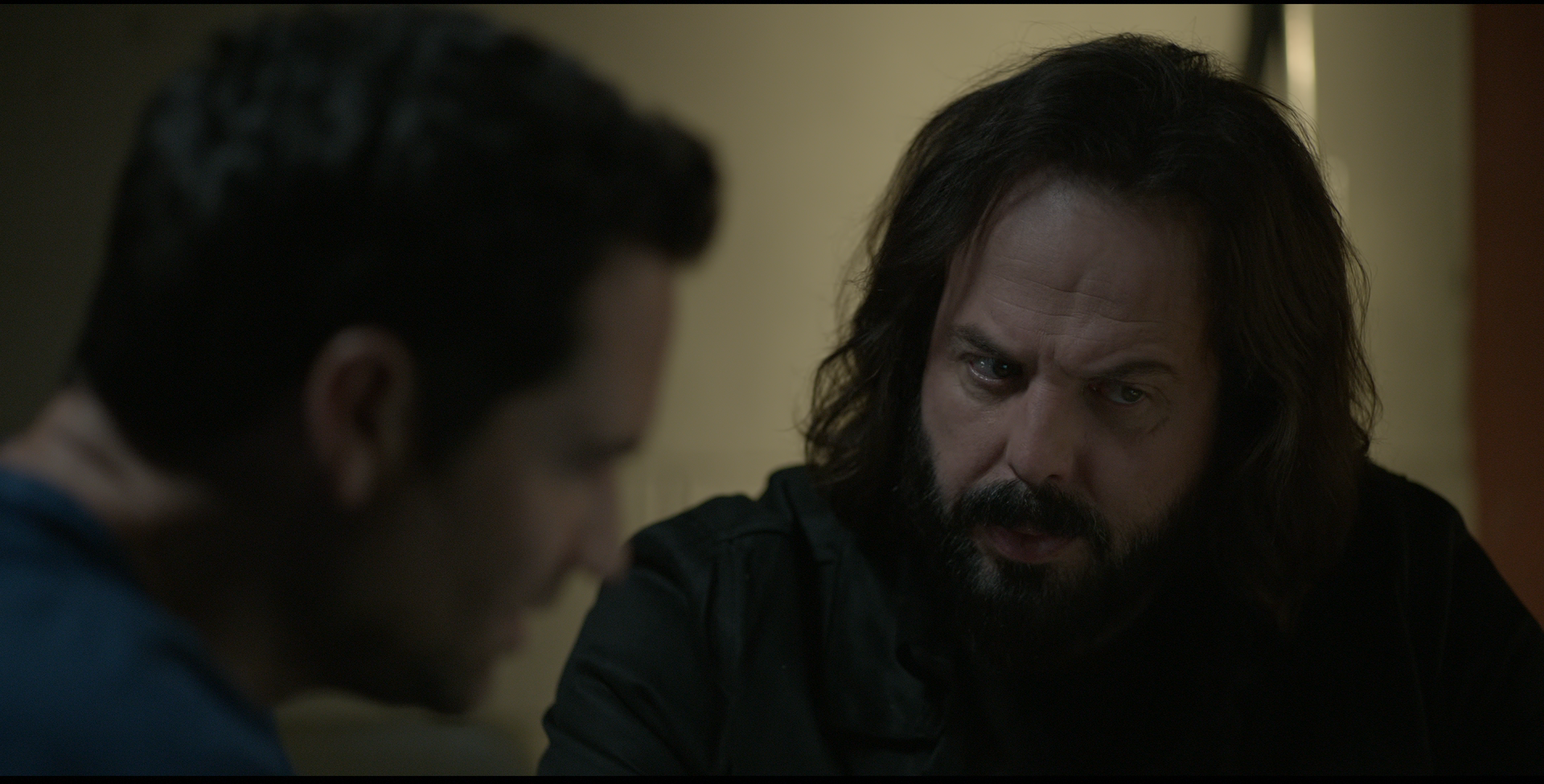
If there is a drawback, it is that the episode plays things safe structurally. It sets the board more than it flips it. But as a premiere, that restraint works. The tension comes from implication, not escalation.
As an opening chapter, Episode 1 does exactly what it should. It pulls us back into Mickey Haller’s orbit, reminds us why his moral balancing act is compelling, and quietly promises that the road ahead will be more complicated than it first appears.