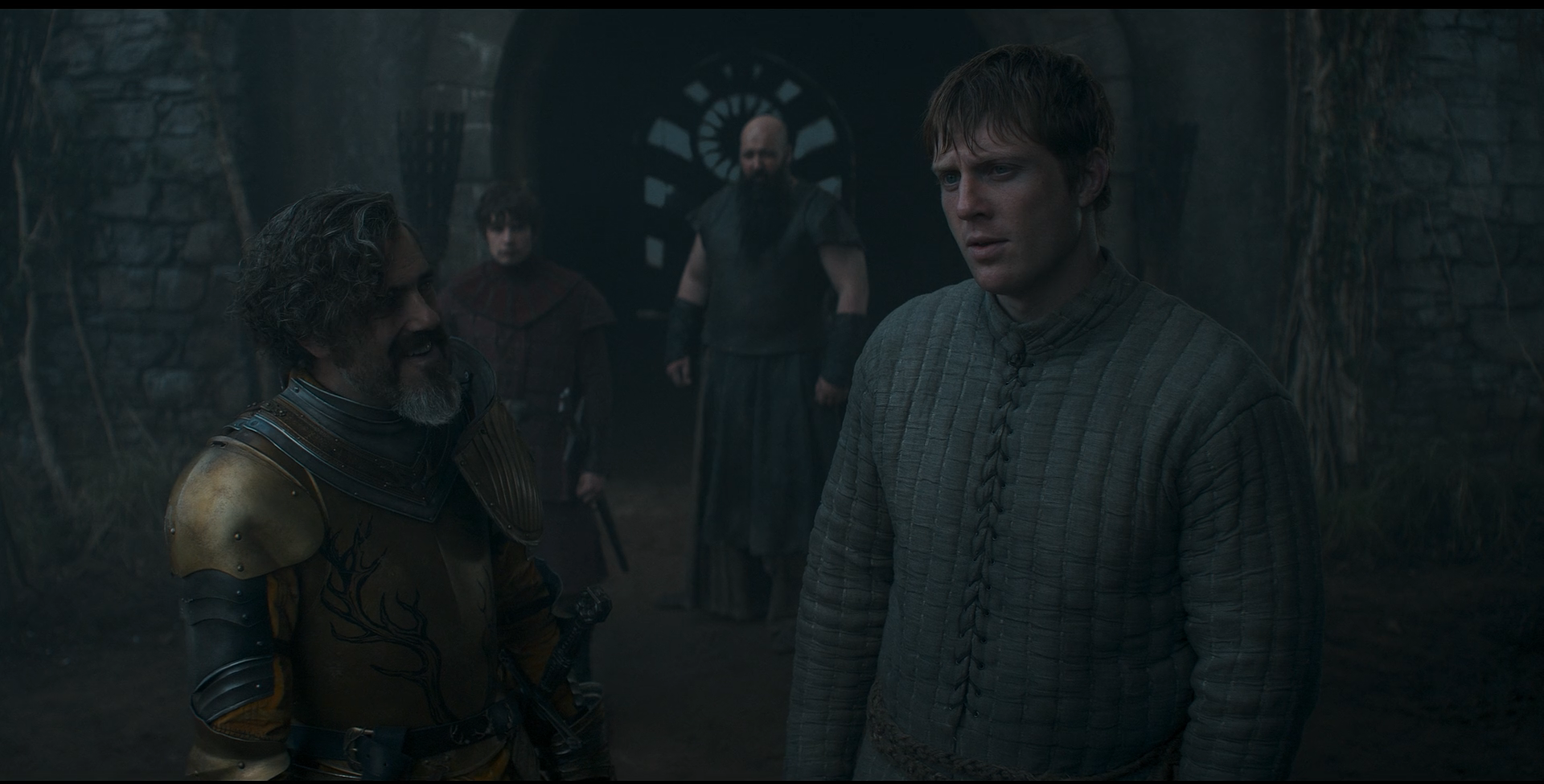
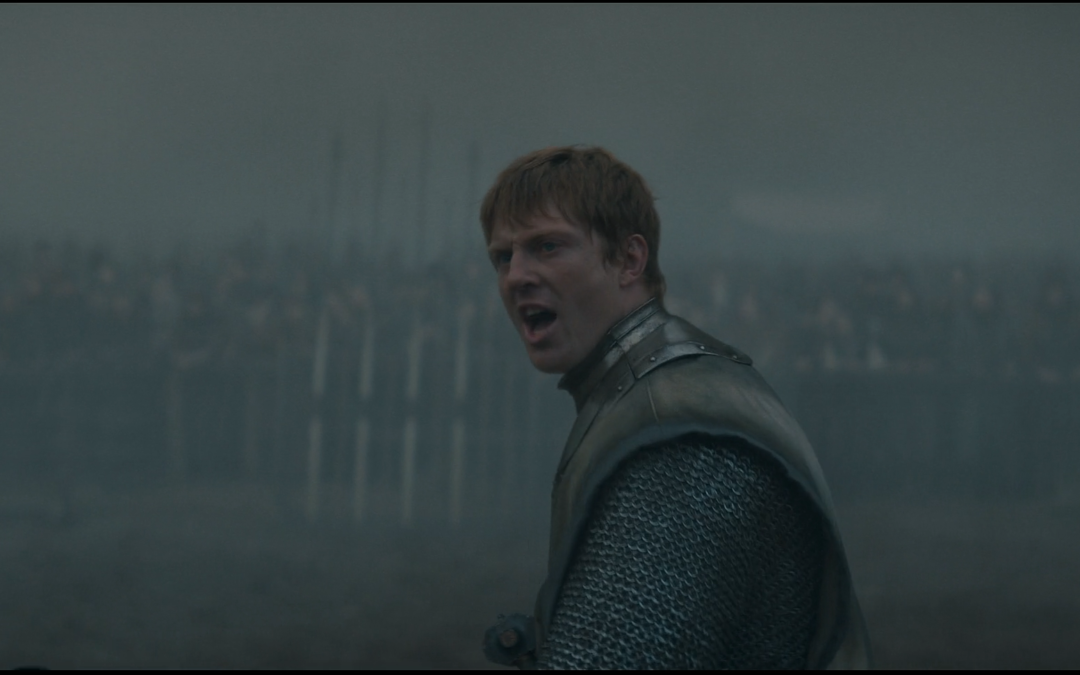
The episode opens in the aftermath of the previous confrontation. Victory has brought attention, but not comfort. Our knight and squire carry the weight of being noticed, and it changes how every interaction unfolds.
Their journey leads them into a space where hospitality feels conditional. Politeness masks expectation, and favors are never free. It becomes clear that reputation now follows them into rooms they once passed through unnoticed.
A new moral dilemma takes shape, one that does not involve combat. Instead, it centers on judgment. Someone stands to lose everything, and the decision of whether to intervene falls squarely on our knight’s sense of principle.
The squire watches closely, no longer content to stay silent. Their perspective challenges the idea that doing the right thing always looks noble. The conversation between them becomes the episode’s backbone, forcing both to articulate beliefs they have previously acted on instinct alone.
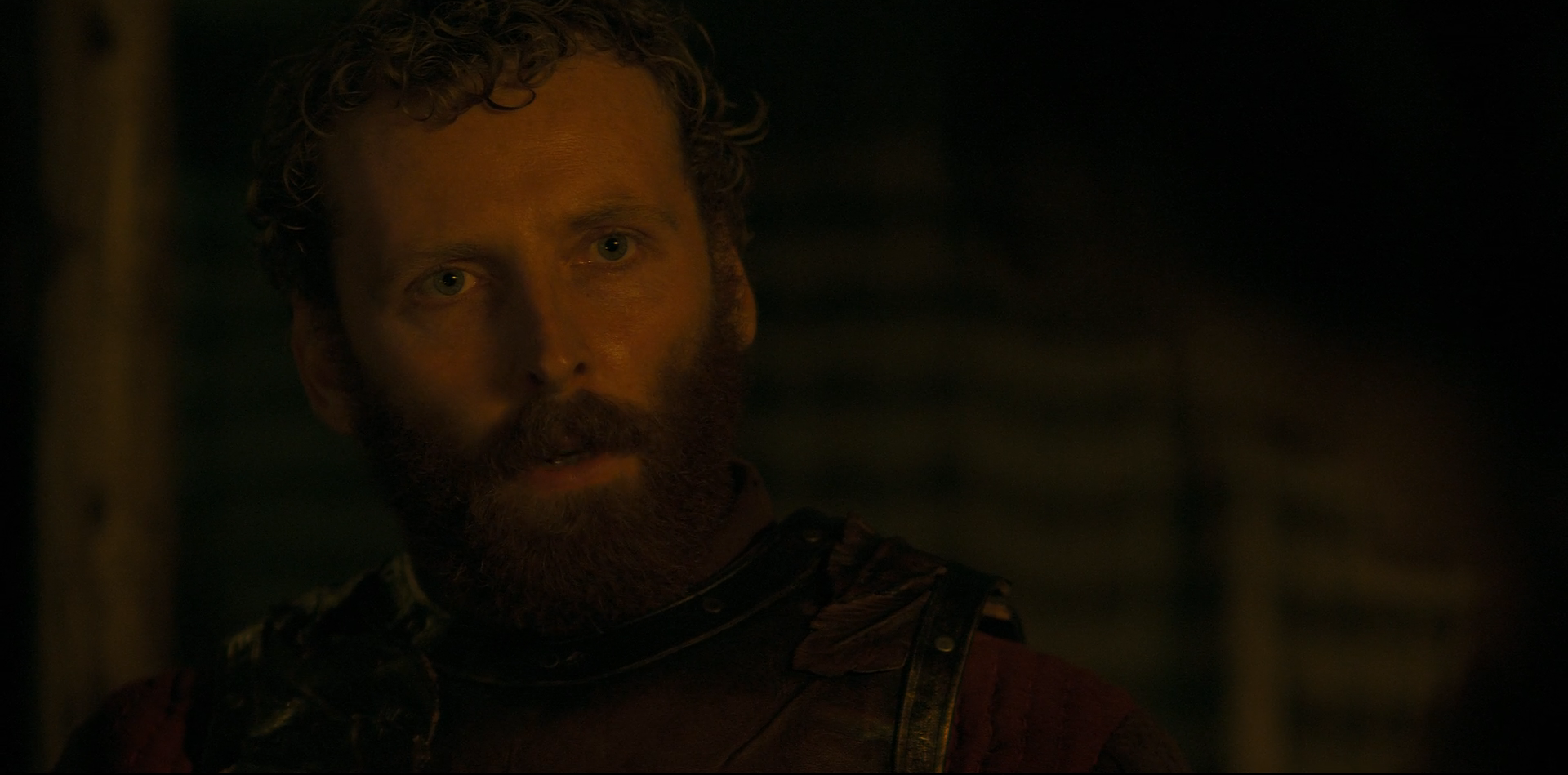
The episode ends without triumph. A choice is made, but its consequences linger immediately. We sense that compassion has shifted the balance, and not necessarily for the better.
Episode 4 succeeds by reframing conflict. There is very little action here, but the tension never fades. The danger lies in consequence rather than violence, and that makes every decision feel heavier.
What stands out is how the episode interrogates mercy. The series refuses to treat kindness as a moral shortcut. Instead, it asks who benefits from mercy, who pays for it, and whether intention matters once outcomes are set in motion.
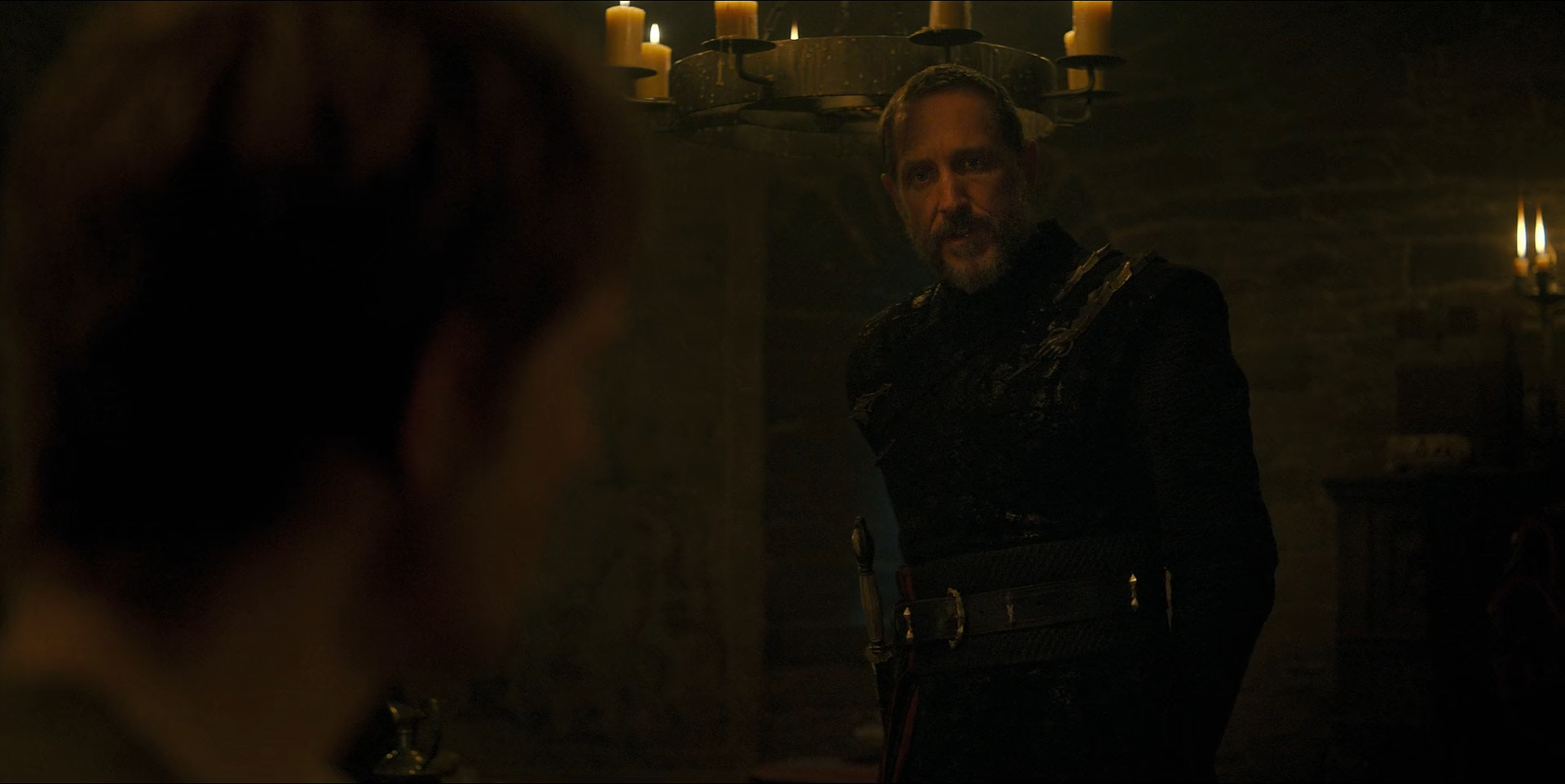
The relationship between knight and squire deepens significantly. Their dialogue feels more honest, even when it edges toward disagreement. Respect remains, but certainty does not. That evolving dynamic gives the series its emotional spine.
Pacing is measured and reflective, which suits the material. Scenes breathe, allowing discomfort to settle. The episode trusts us to sit with ambiguity rather than rush toward resolution.
The writing continues to rely on subtext. What characters avoid saying often carries more weight than what they express openly. That restraint keeps the tone grounded and avoids melodrama.
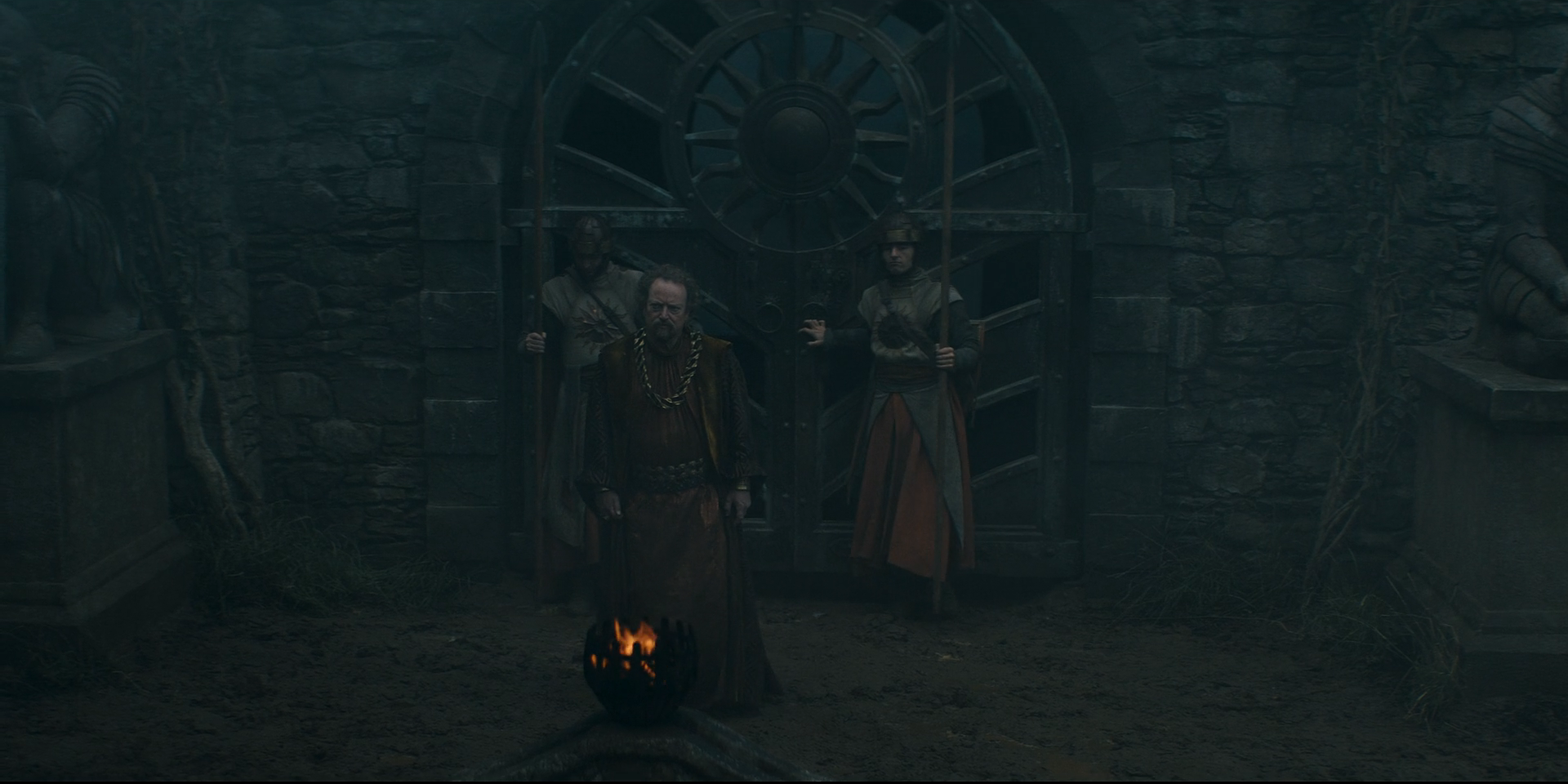
Visually, the episode leans into intimacy. Close quarters, soft light, and quiet corners dominate the frame. These choices reinforce the idea that the hardest battles happen away from crowds.
If there is a limitation, it is that the episode resists payoff. There is no clear win, no moment of reassurance. But that feels aligned with the series’s worldview. This is a story where moral clarity rarely brings peace.
As a chapter, episode 4 deepens the series thematically. It moves beyond honor as action and examines honor as consequence. By doing so, it adds emotional complexity without expanding scale, proving again that this show understands its strength lies in restraint.