
Margot Robbie Fires Back at Critics Over Casting in Wuthering Heights — Says You’ll “Have to Wait” to Judge
As debates over age, appearance and authenticity heat up, Robbie urges audiences to “wait and see,” calling Elordi “our generation’s Daniel Day-Lewis” and promising an epic romance unlike anything in years.
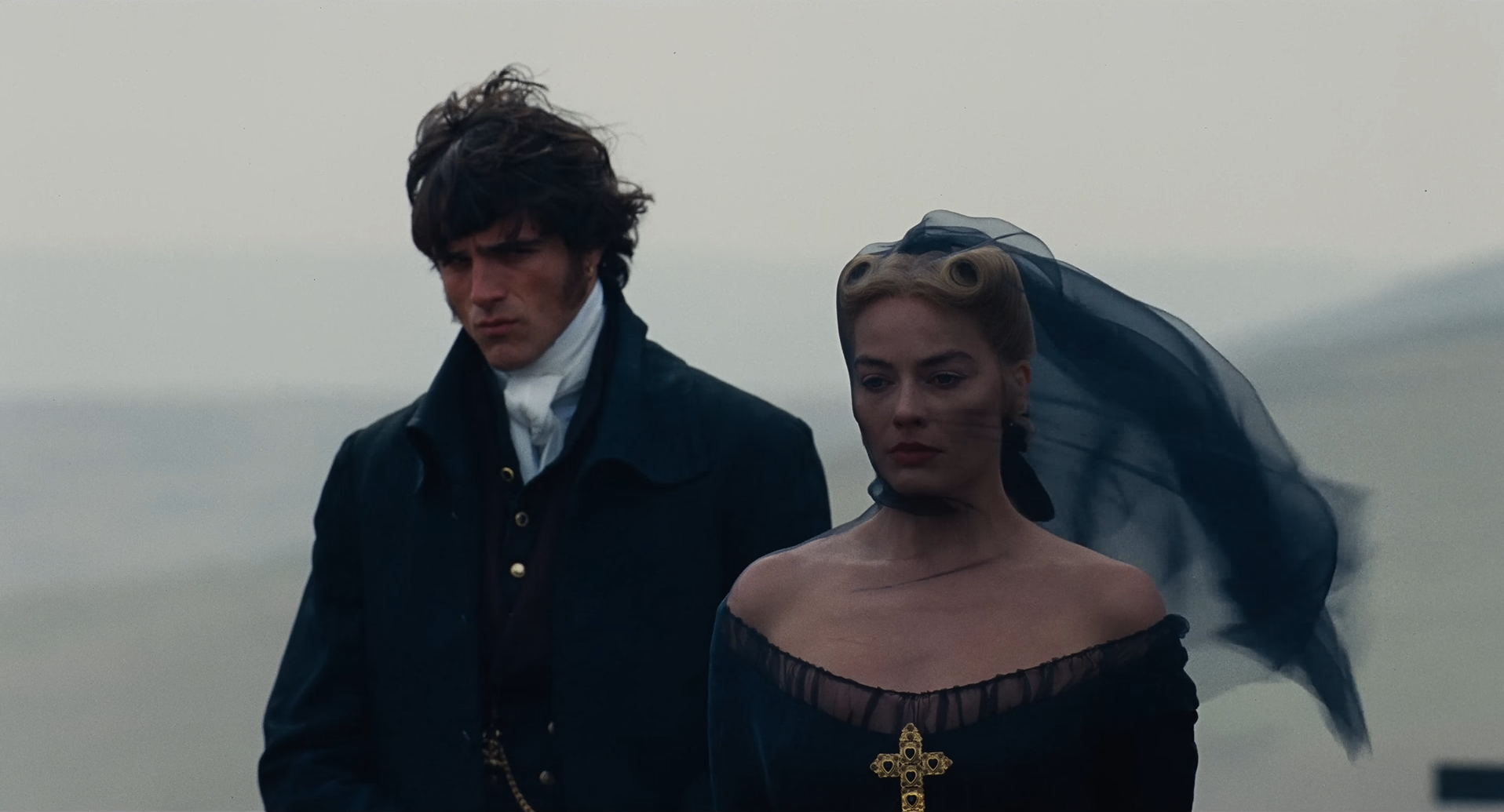
Margot Robbie has finally addressed the intense criticism surrounding her and Jacob Elordi’s casting in Emerald Fennell’s upcoming adaptation of Wuthering Heights. The first teaser stirred major online debate — not only for its steamy imagery but also for how far the film appears to depart from Emily Brontë’s original character descriptions.
Speaking in a new British Vogue interview, Robbie admitted she understands why viewers are unsure. “I get it. There’s nothing else to go off until people actually see the movie,” she said, opening up about the scrutiny she and the project have faced since the trailer debuted.
Robbie’s Catherine Earnshaw is described in Brontë’s novel as a dark-haired teenage girl — very different from Robbie, who is 35 and blonde. Critics argued that the visual contrast was too stark for a faithful adaptation.
Jacob Elordi’s casting also faced backlash. In the novel, Heathcliff is traditionally described as dark-skinned and of ambiguous or possibly Romany/South Asian heritage. Many fans argued that choosing a white Australian actor erased this integral part of the story’s social tensions.
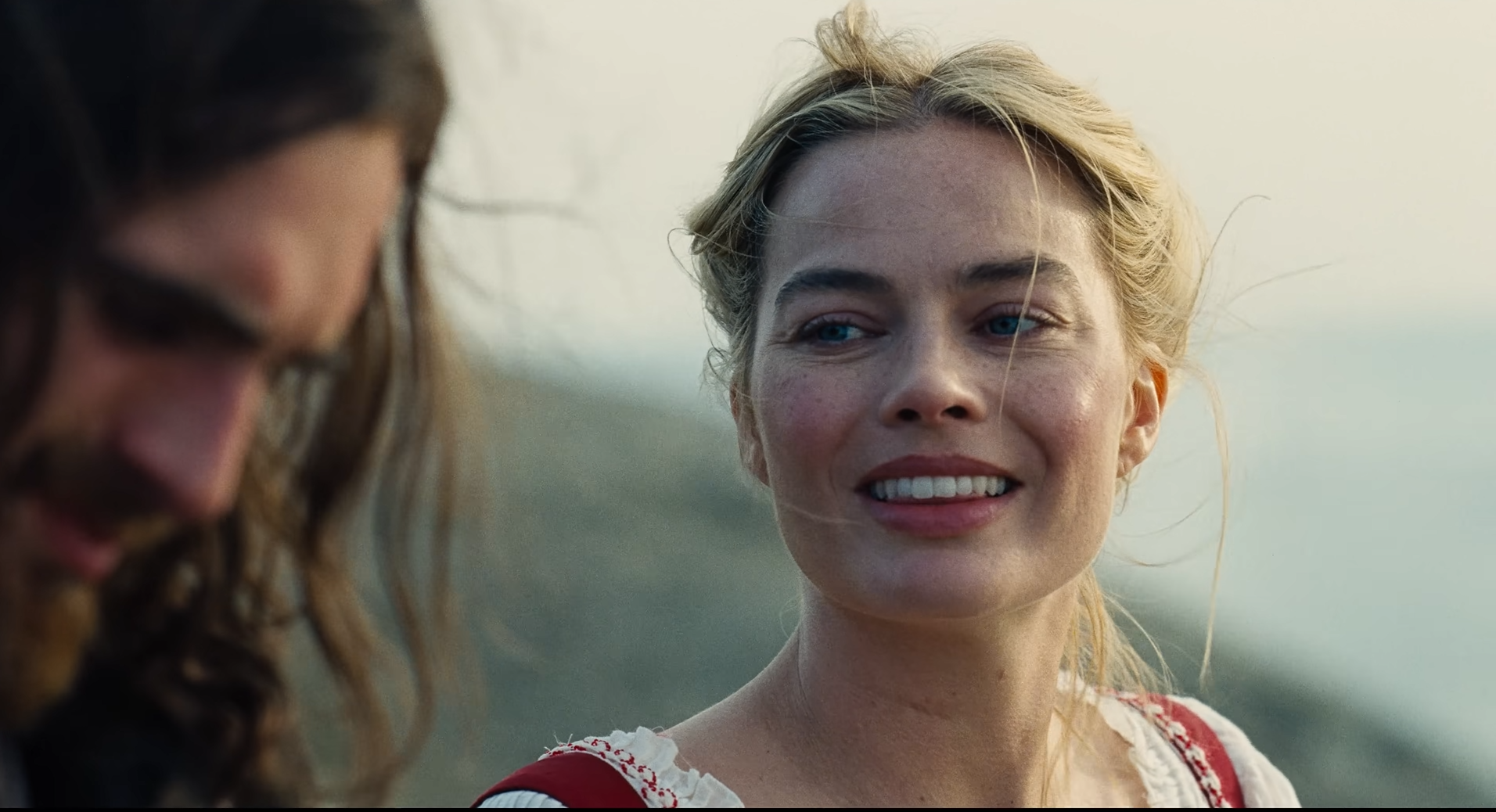
Despite the noise, Robbie stands firmly behind her co-star. She said that the first time she saw Elordi inhabit the role, “he was Heathcliff,” adding that he brings an intensity and emotional volatility worthy of the character’s long cinematic legacy. Robbie went so far as to call him “our generation’s Daniel Day-Lewis,” placing him in the company of actors like Laurence Olivier, Richard Burton, Ralph Fiennes and Tom Hardy, all of whom have played Heathcliff in earlier adaptations.
Her message to critics was clear: reserve judgment until the full film is released.
Director Emerald Fennell has emphasized that her Wuthering Heights is not meant to be a textbook reproduction of the 1847 novel. Instead, she leans into the emotional brutality and erotic undercurrents of Brontë’s story, describing the material as “primal” and “feral.”
Fennell said casting Robbie was essential because Cathy needs overwhelming charisma and magnetic cruelty. She called Cathy a “provocateur” — someone audiences continue to empathize with despite her destructive tendencies — and insisted that only Robbie carried the kind of star power required to pull off such a role.

Robbie, who also serves as producer through her company LuckyChap, revealed that Fennell had an ambitious dream from day one: she wanted this adaptation to become “this generation’s Titanic.” Fennell referenced the impact of monumental romances like Romeo + Juliet, The English Patient and The Notebook, saying that modern audiences haven’t had a sweeping love story of that scale in decades.
Robbie agreed, explaining that despite the provocative trailer, the film is “more romantic than raunchy.” She said the focus is on emotional intimacy rather than explicit scenes — on the kind of subtleties and tensions that resonate deeply with female audiences in their 20s and 30s.
The pair reportedly spent extensive time shaping the film’s sensual moments to prioritize chemistry, longing and emotional realism.
Early test-screening chatter reportedly described the film as visually bold, musically modern and unapologetically intense — with a soundtrack featuring contemporary artists, including Charli XCX. Some viewers called the tone daring and divisive, while others praised the visceral approach.
The teaser has already fueled online debate, with some complimenting the haunting visuals and others labeling the reinterpretation “whitewashed” or overly sexualized. Still, both Fennell and Robbie insist the film’s emotional core remains faithful to Brontë’s themes of obsession, class conflict and destructive passion.
Emerald Fennell’s Wuthering Heights, starring Margot Robbie and Jacob Elordi, will release in theatres on February 13, 2026, just in time for Valentine’s Day.